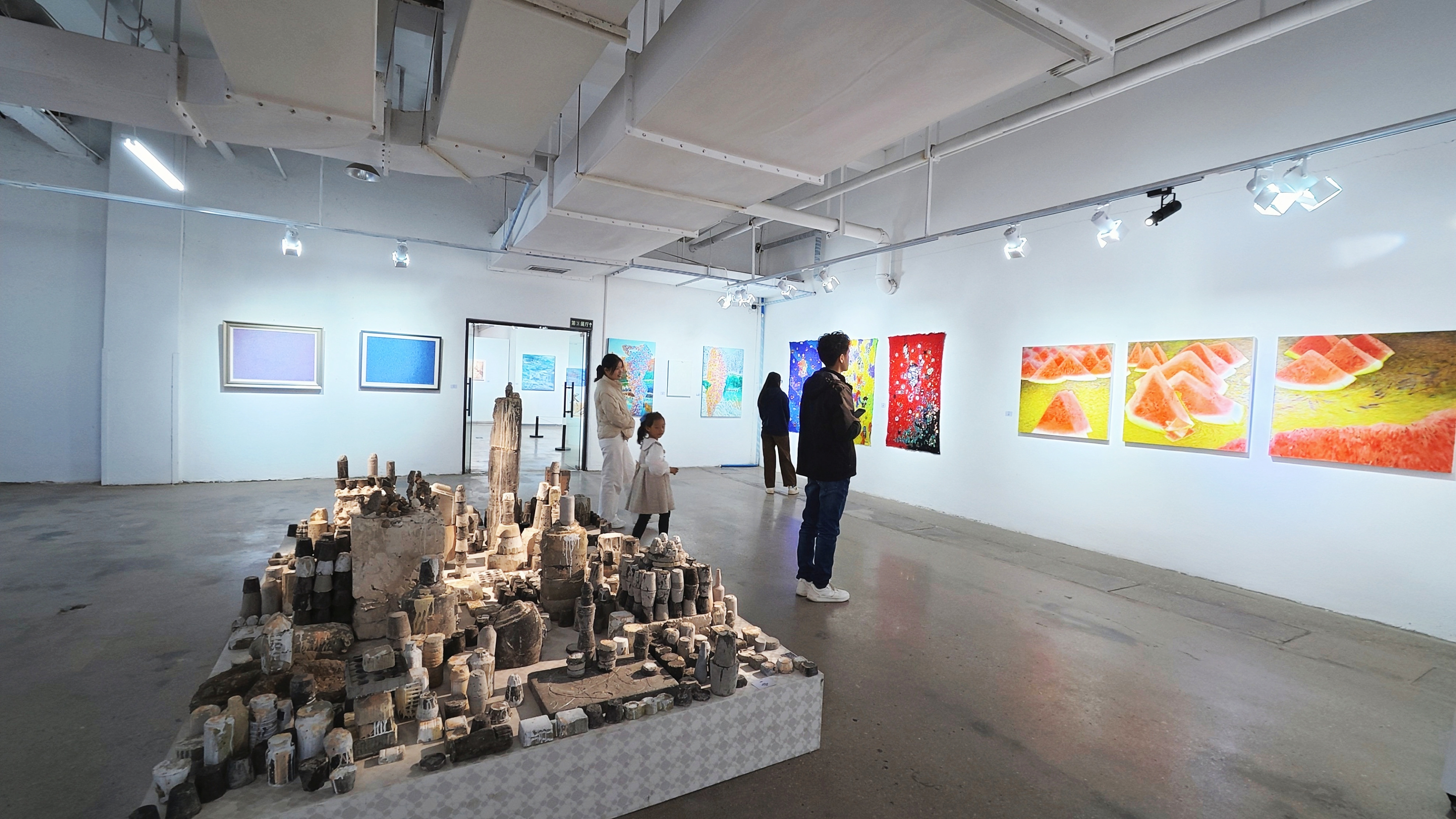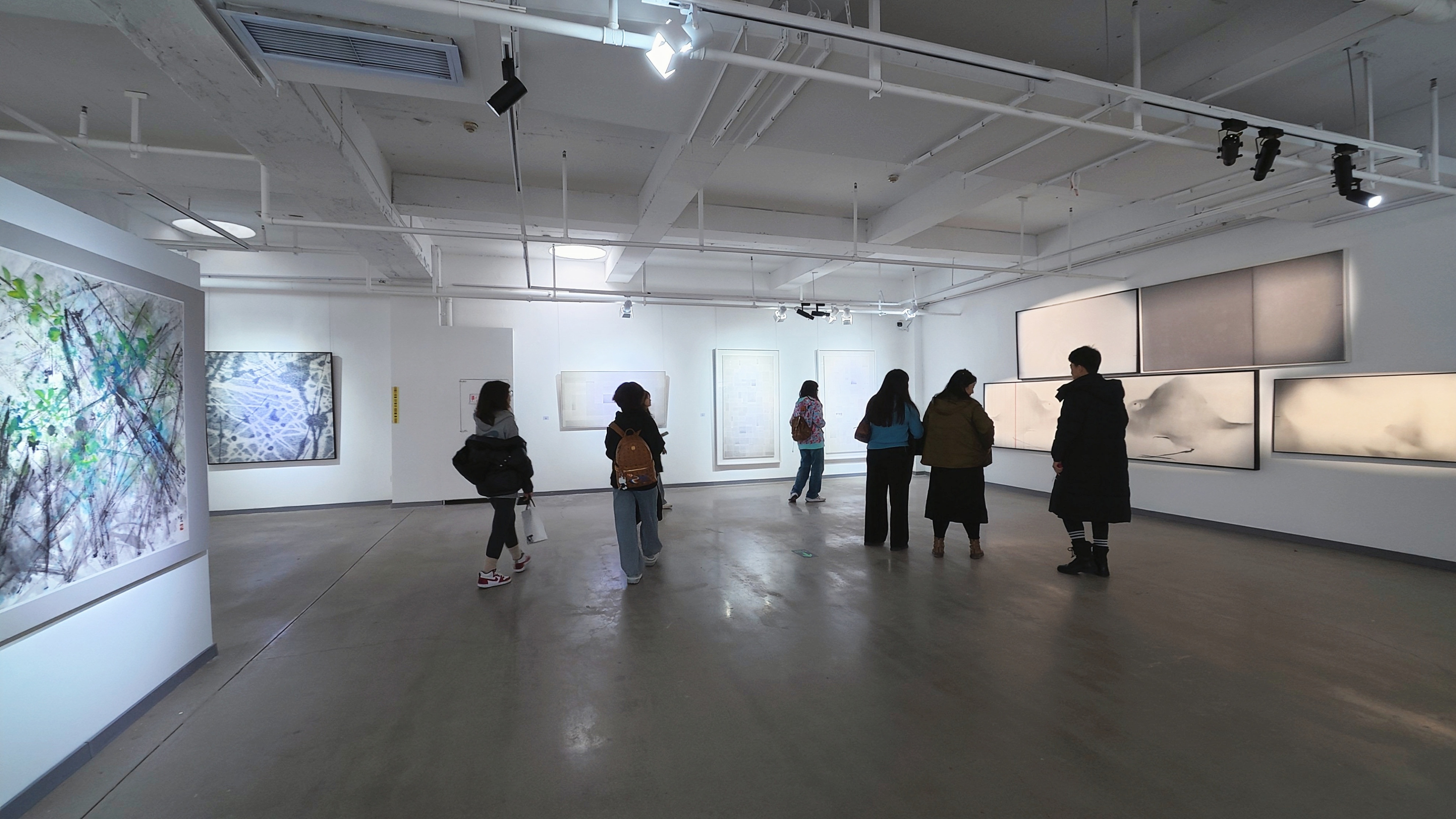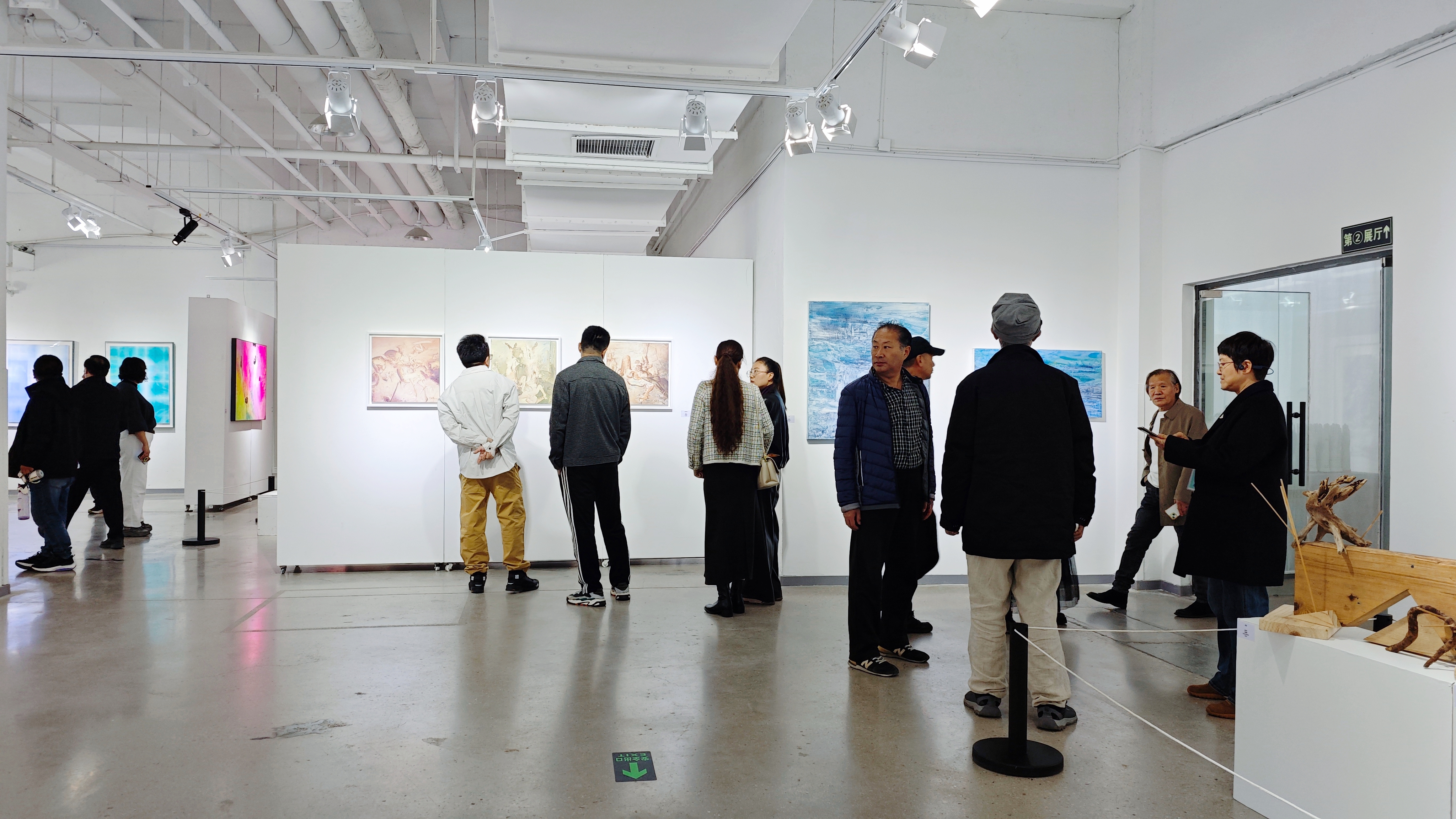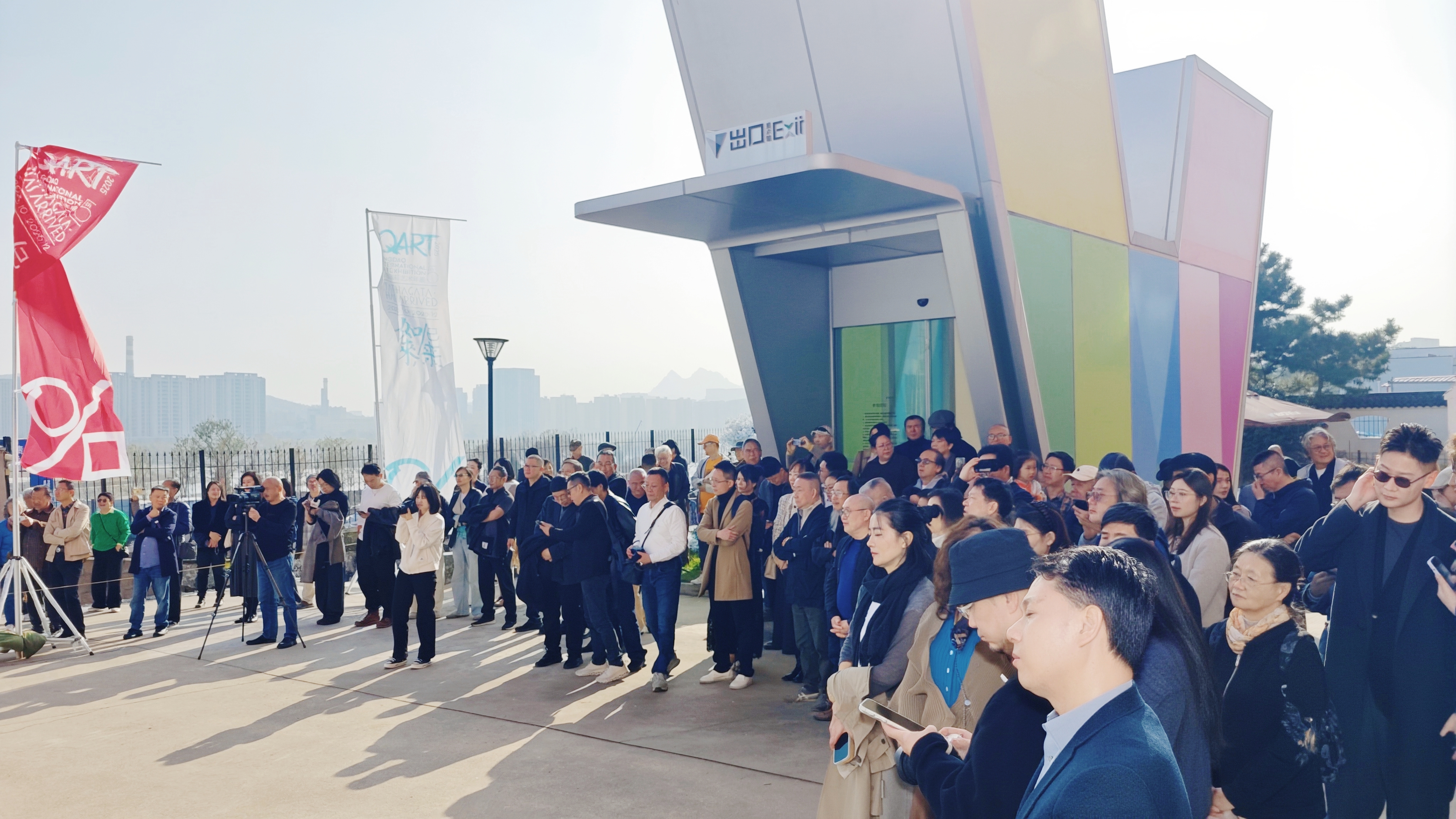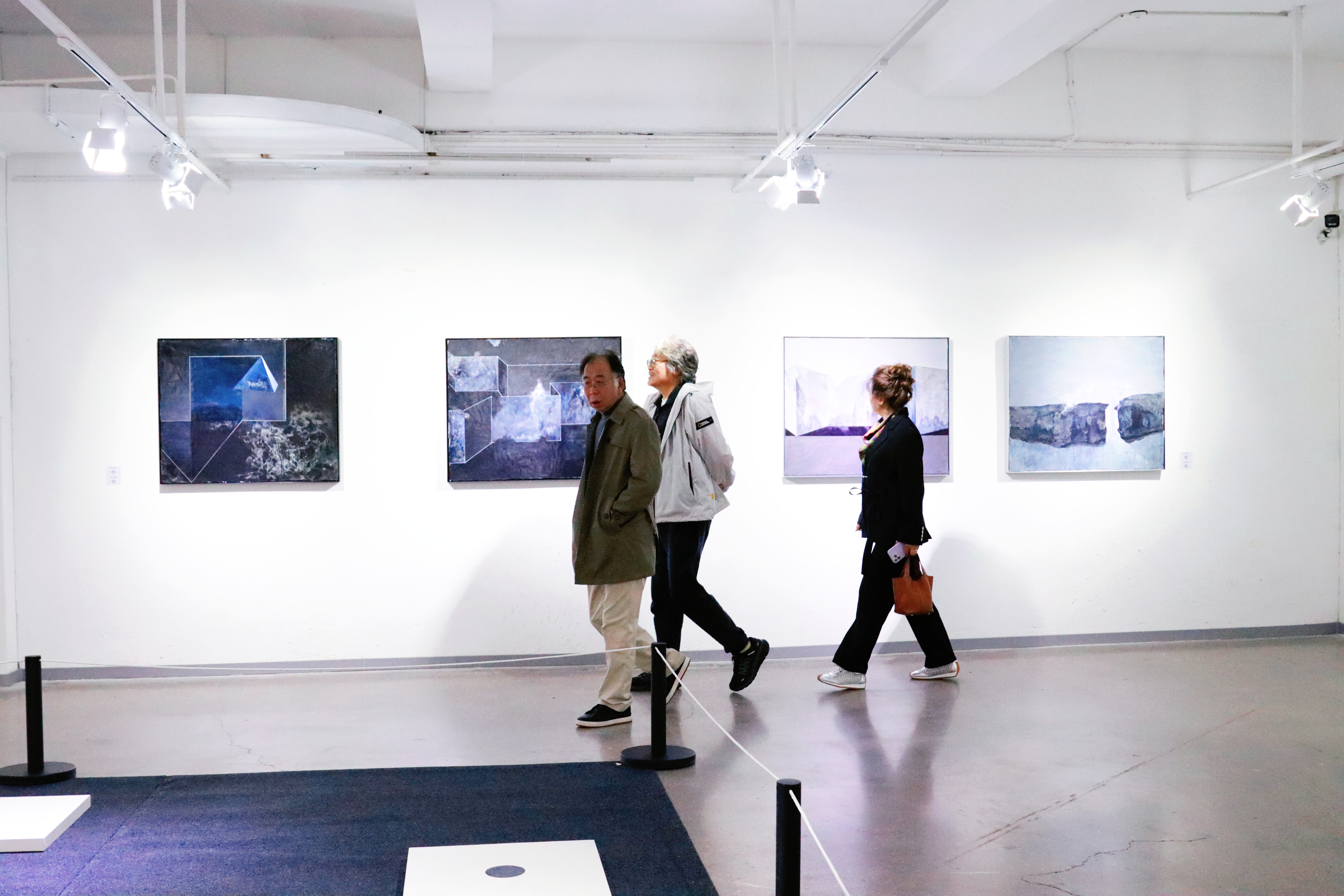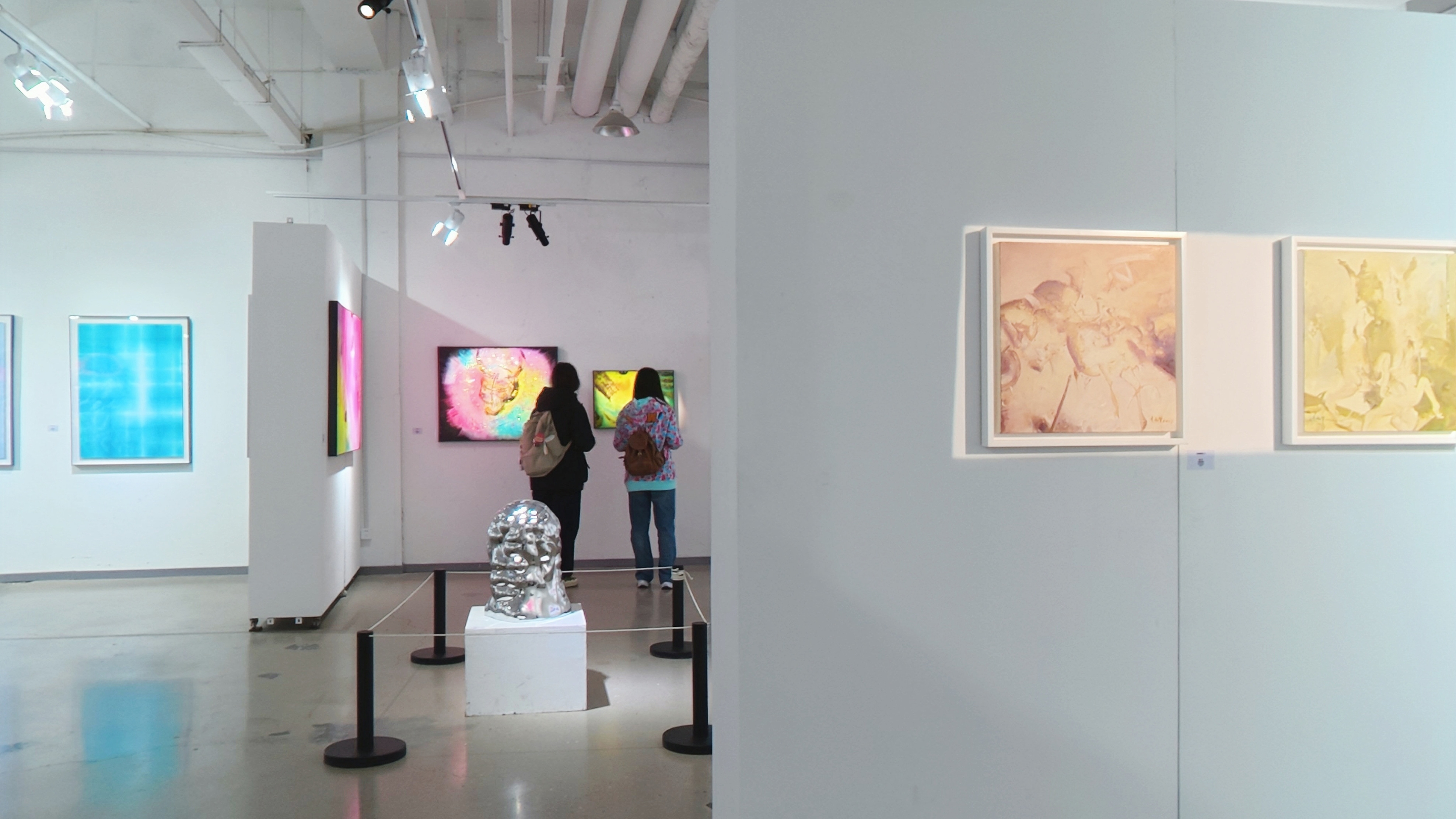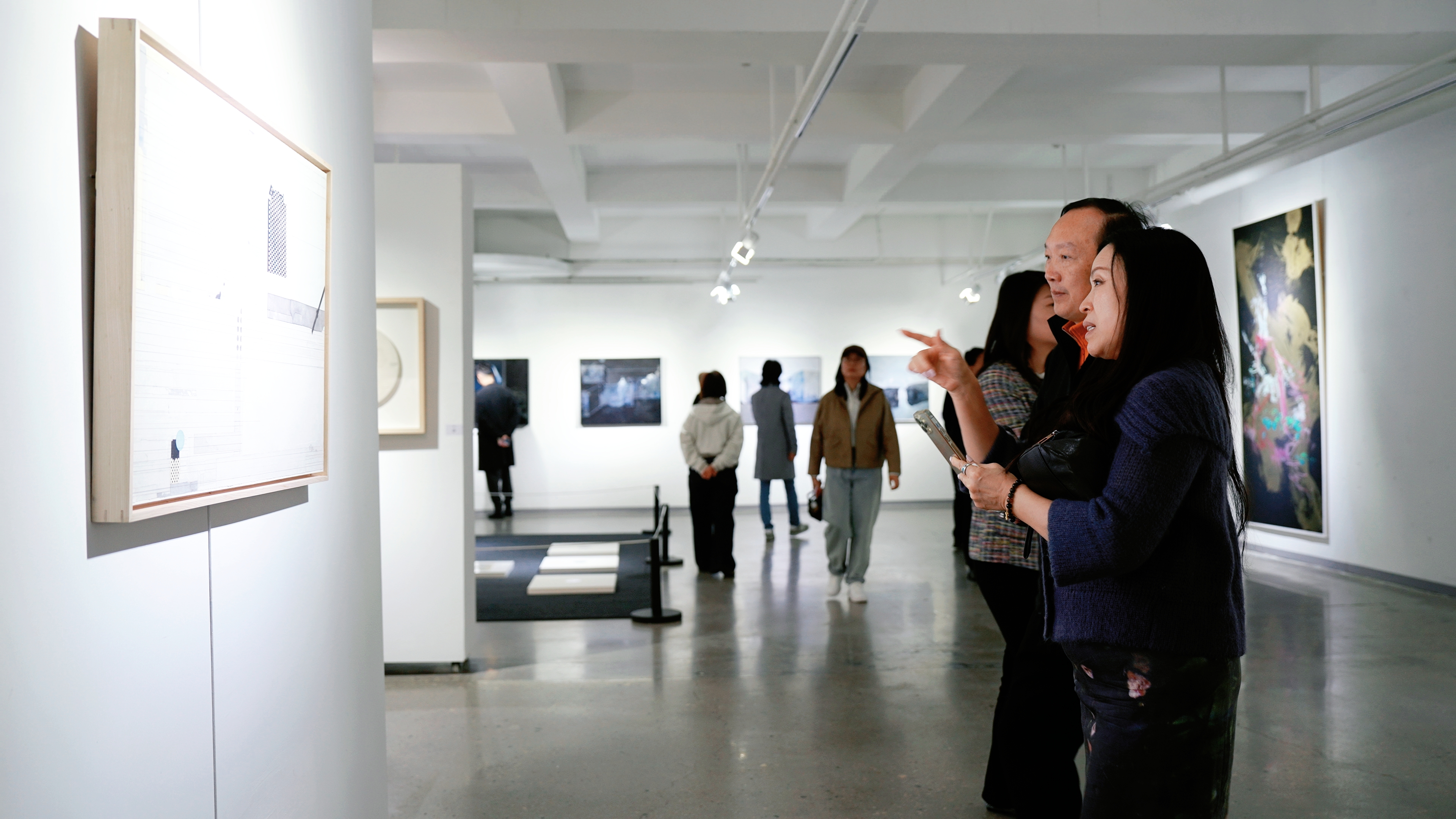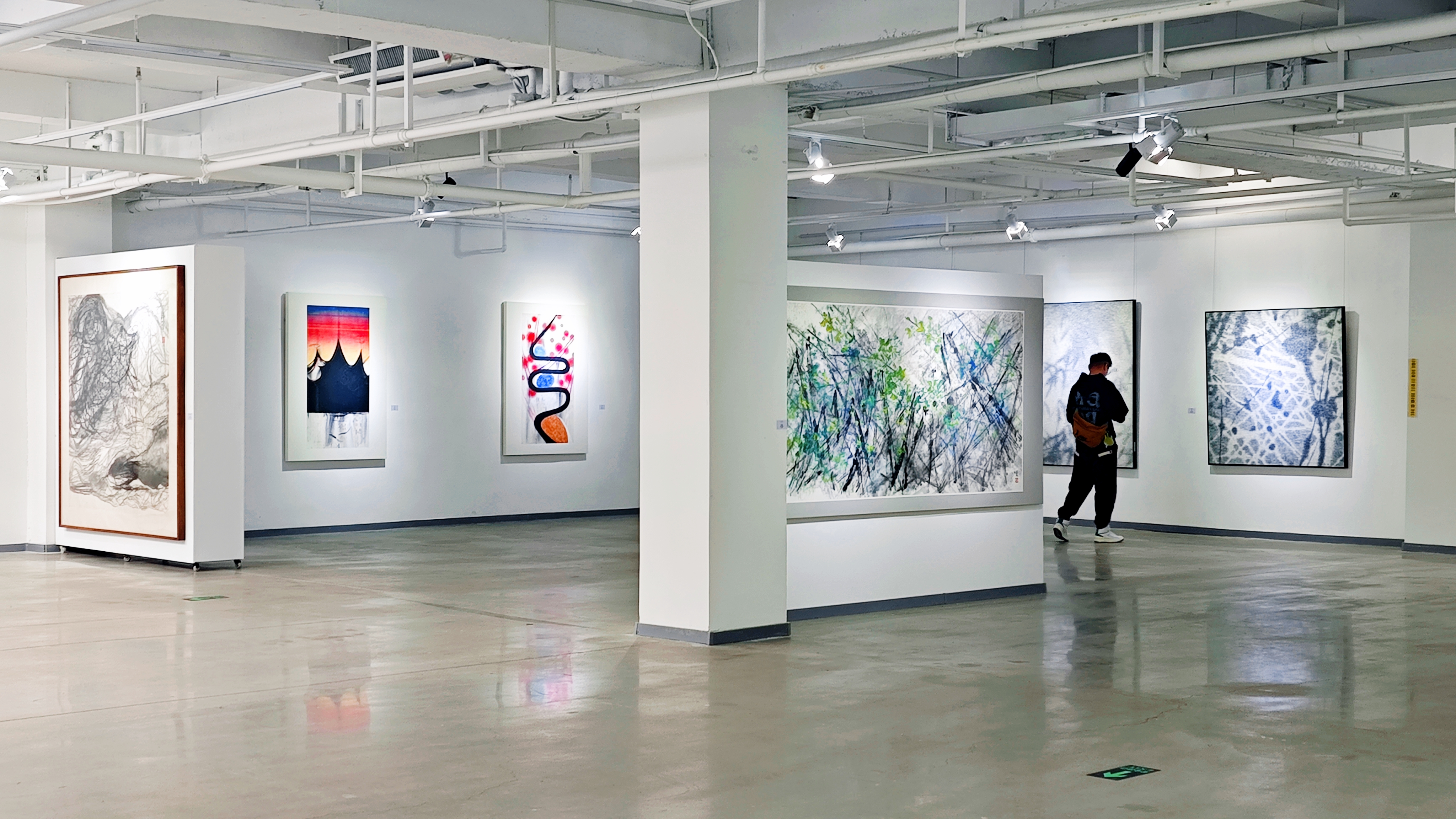
"The Realm of Ink:
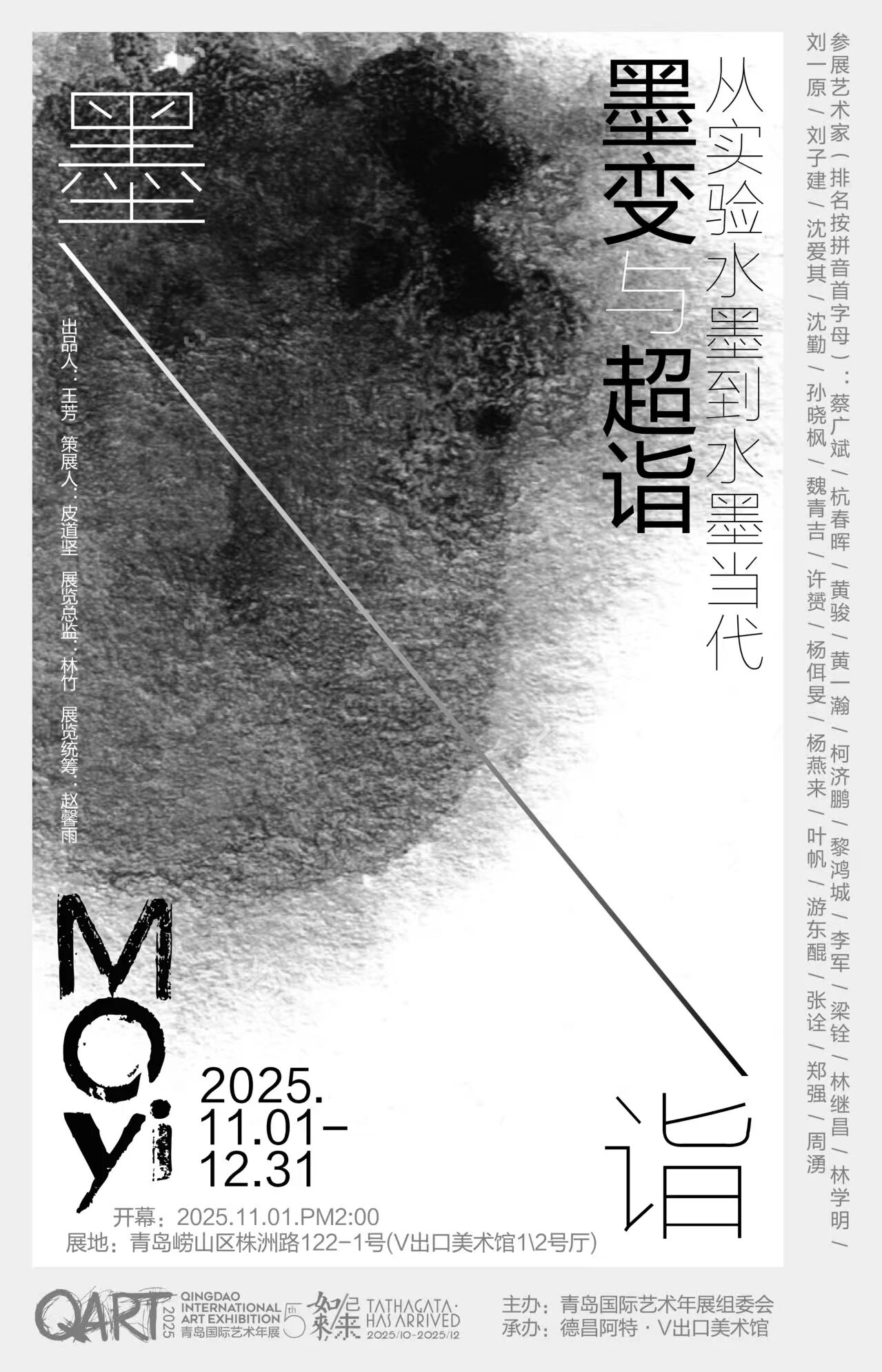
Metamorphosis and Transcendence
— From “Experimental Ink”to “Contemporary Ink”
Organizer:
Qingdao International Art Annual Exhibition Committee
Co-organizer:
DCA ·Exit V Art Museum
Producer:
WANG Fang
Curator:
PI Daojian
Exhibition Director:
LIN Zhu
Exhibition Coordinator:
ZHAO Xinyu
Fu Nan
Artists:
蔡广斌CAI Guangbin/杭春晖 HANG Chunhui/黄骏 HUANG Jun/黄一瀚 HUANG Yihan/柯济鹏 KE Jipeng/黎鸿城 LI Hongcheng/李军 LI Jun/梁铨 LIANG Quan/林继昌 LIN Jichang/林学明 LIN Xueming/刘一原 LIU Yiyuan/刘子建 LIU Zijian/沈爱其 SHEN Aiqi/沈勤 SHEN Qin/孙晓枫 SUN Xiaofeng/魏青吉 WEI Qingji/许赟 XU Yun/杨佴旻 YANG Ermin/杨燕来 YANG Yanlai/叶帆 YE Fan/游东醌 YOU Dongkun/张诠 ZHANG Quan/郑强 ZHENG Qiang/周湧 ZHOU Yong
Duration:
2025.11.01-2025.12.31
Opening:
2025.11.01.PM2:00
Venue::
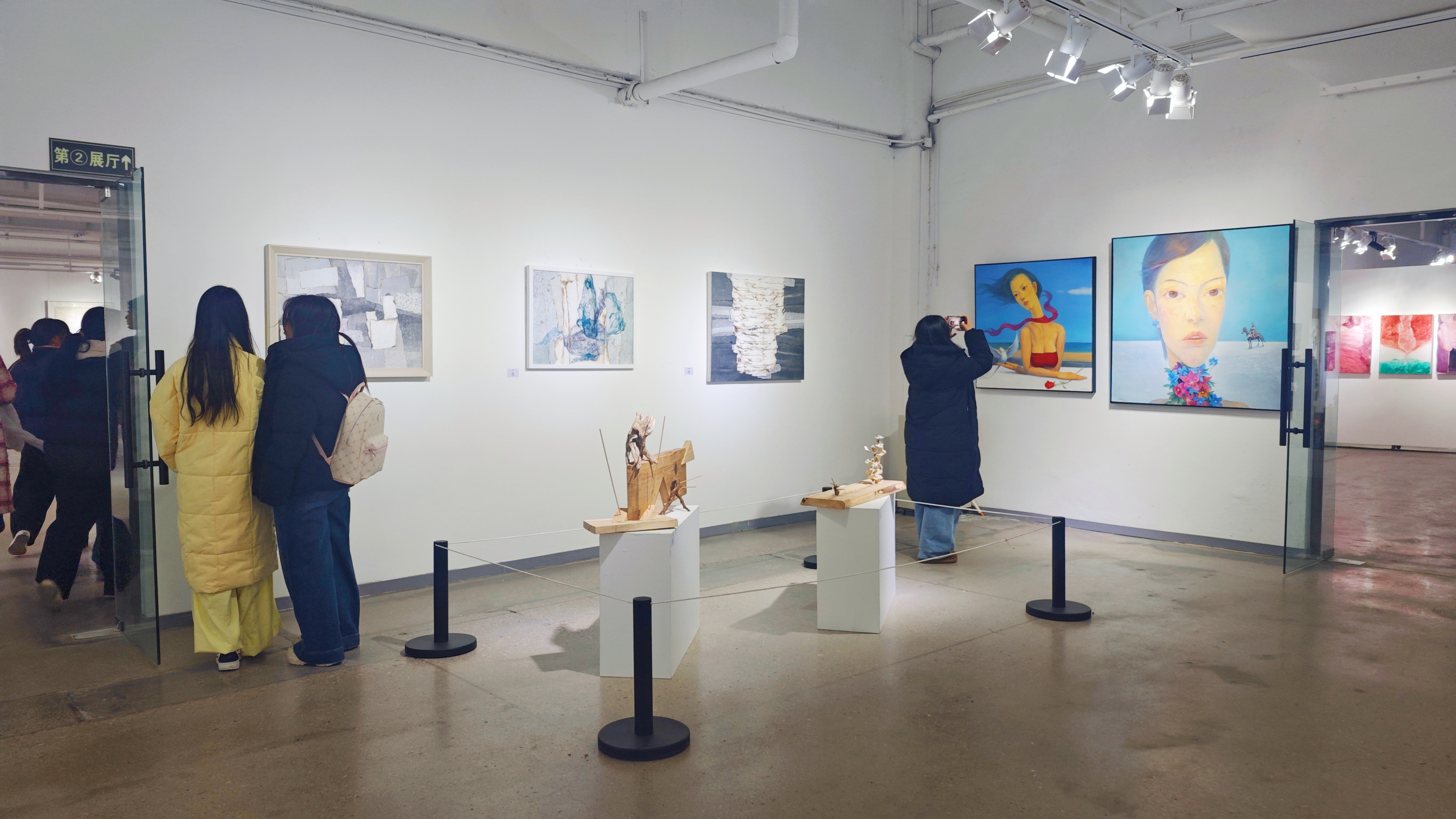
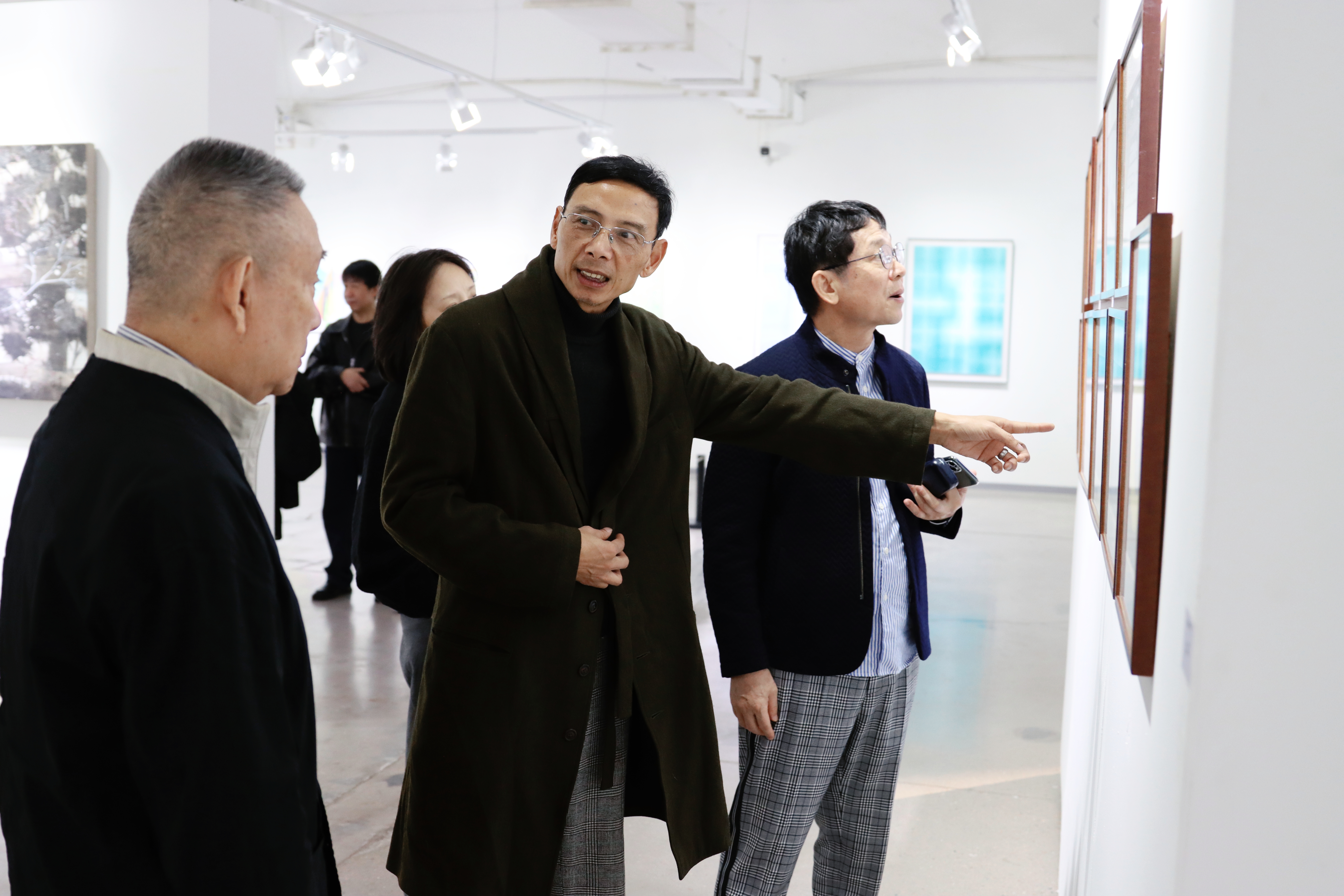
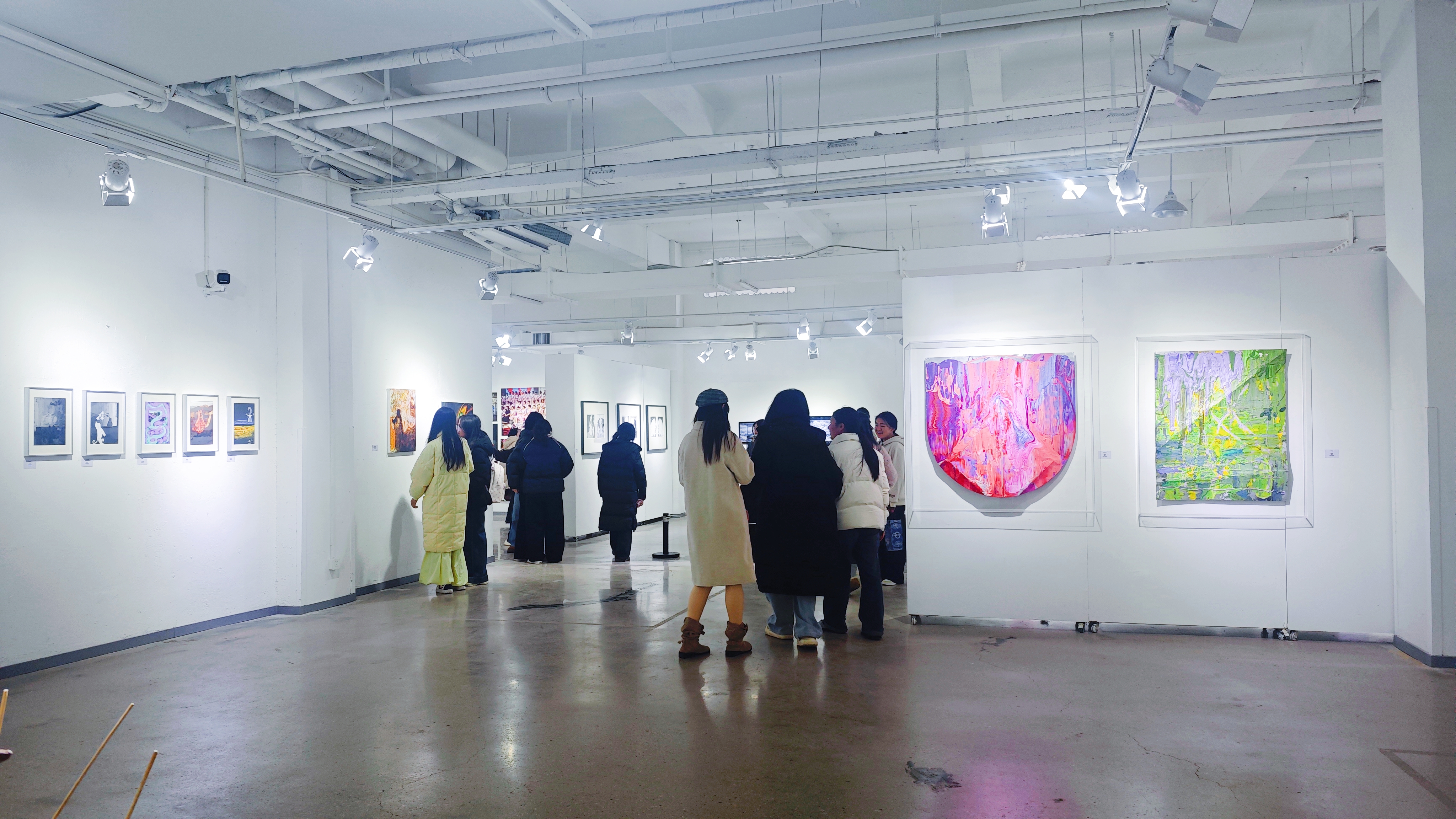
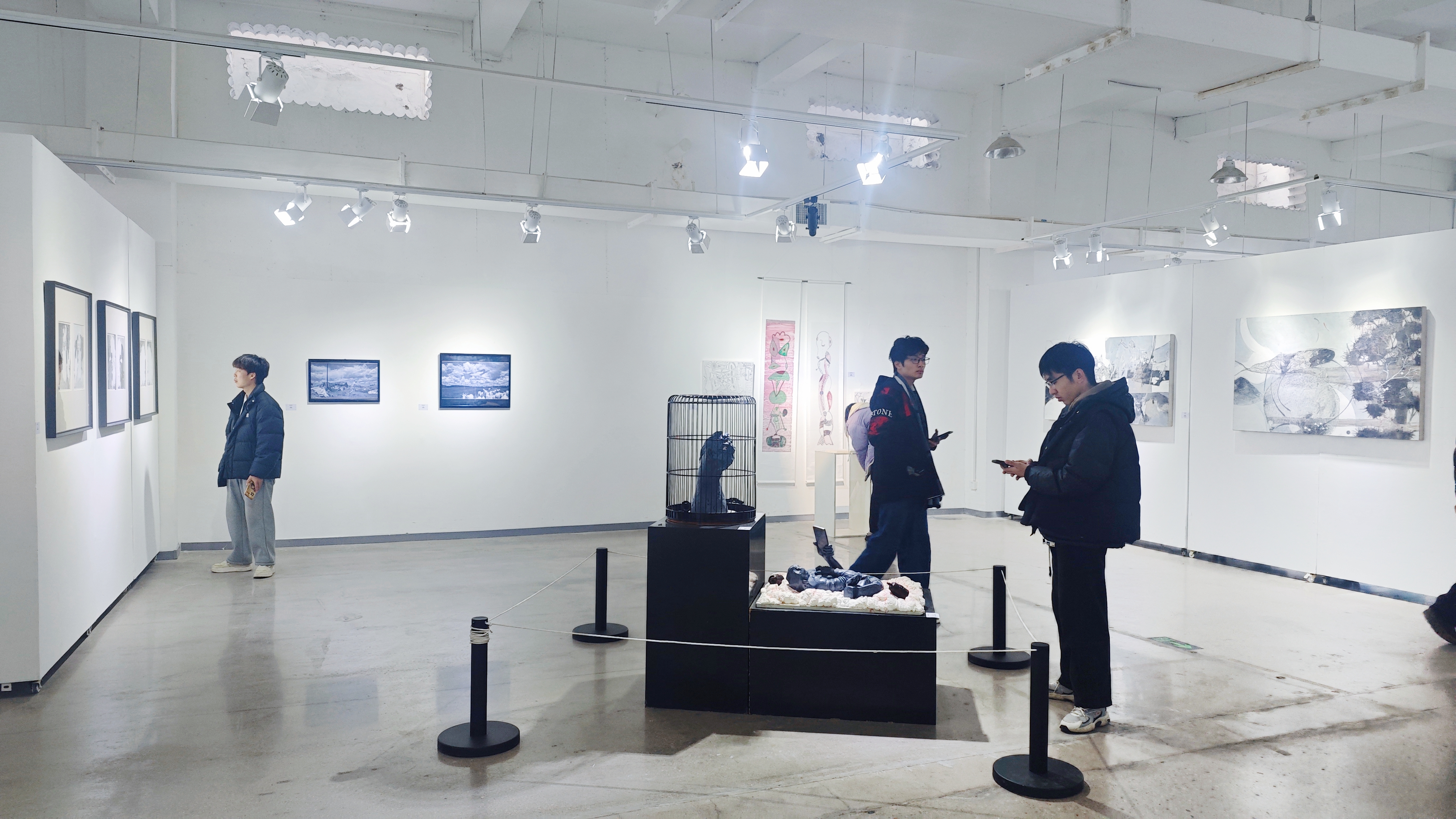
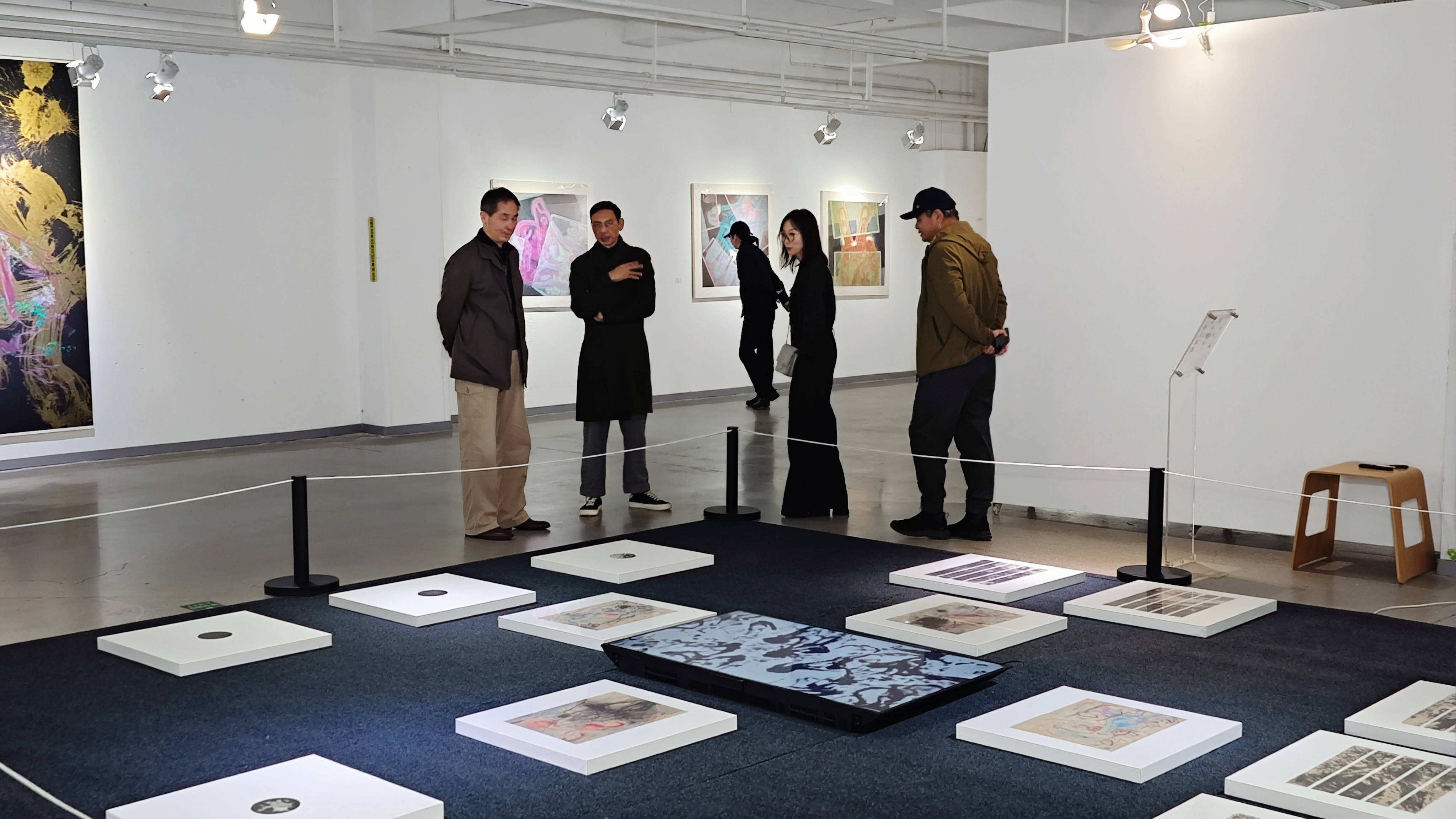
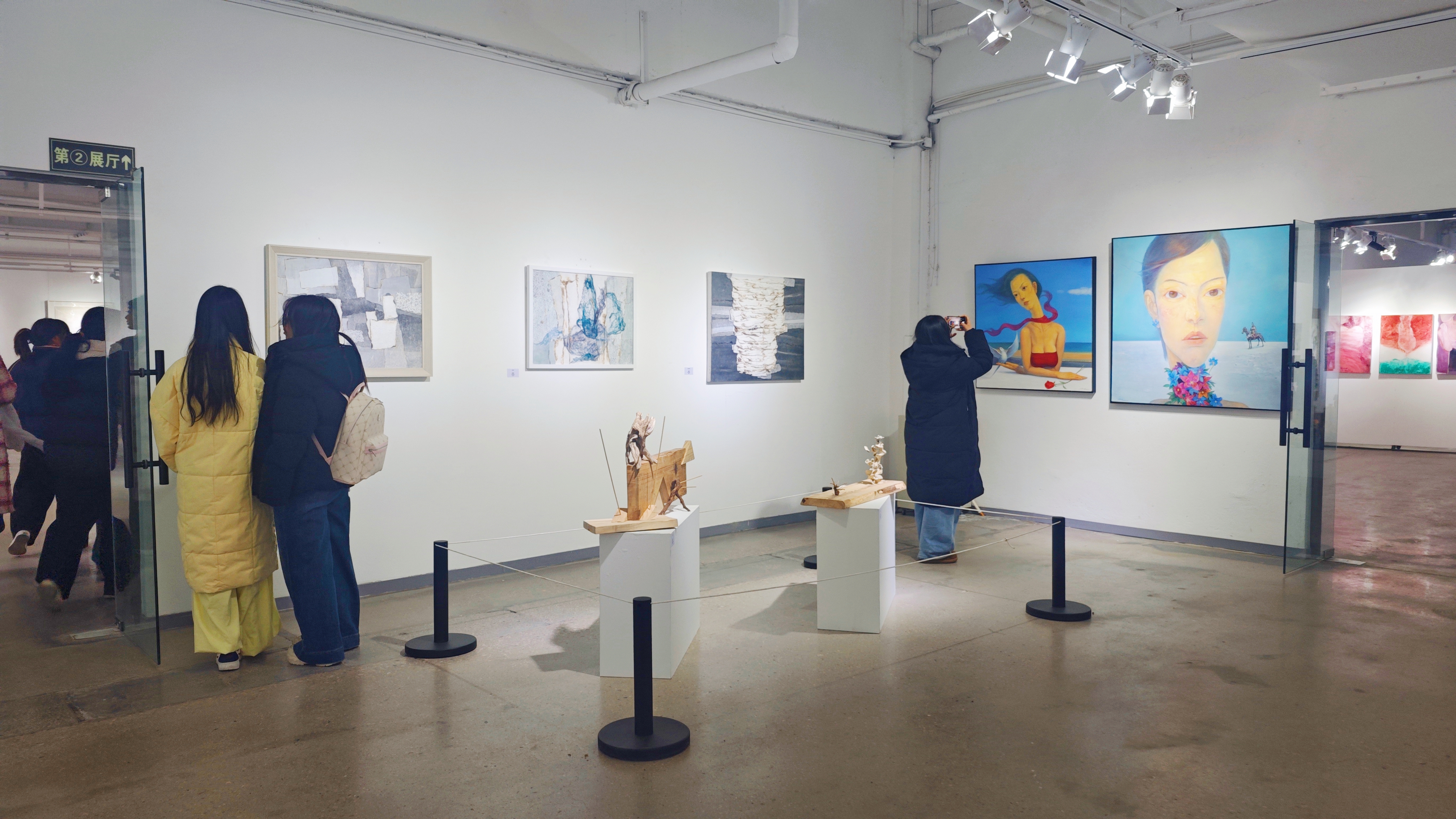
Halls 1 & 2, Exit V Art Museum, No. 122-1 Zhuzhou Road, Laoshan District, Qingdao
· Curator ·
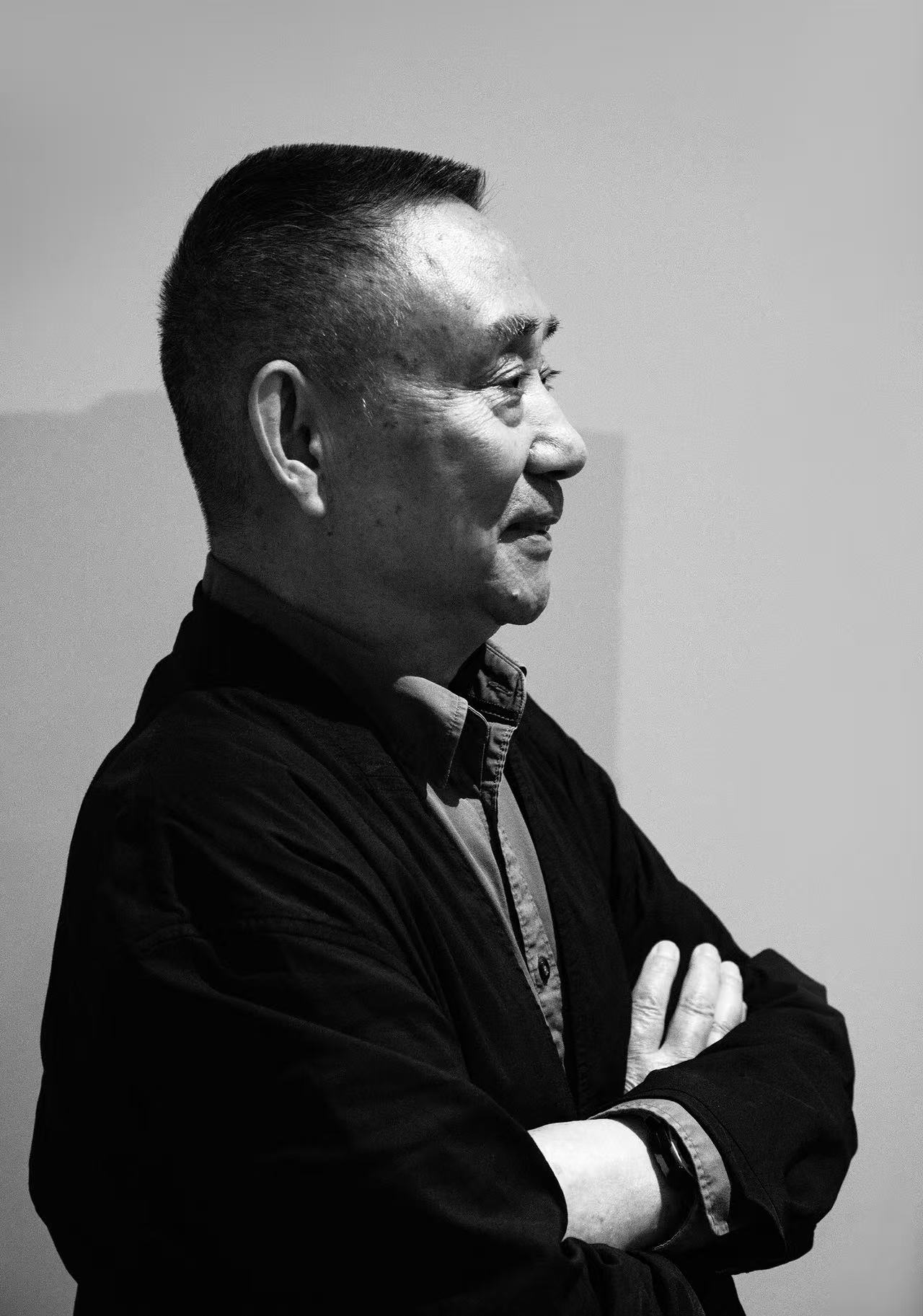
Pi Daojian
Graduated in 1981 from the Graduate Program in Art History at Hubei Academy of Fine Arts, after which he remained at the institution as a faculty member. In the 1980s, he participated in the founding and editing of the journal Art Trends, serving as an editorial board member and deputy editor-in-chief. In 1988, he was appointed as a member of the Theoretical Committee of the China Artists Association. In 1992, he transferred to the Department of Fine Arts at South China Normal University, where he successively held the positions of deputy head and head of the department. He previously served as the deputy director of the Curatorial Committee of the China Artists Association, planning and hosting various exhibitions and academic seminars. He currently serves as an academic committee advisor of the Guangdong Museum of Art.
· Foreword ·
Ink Metamorphosis and Transcendent Attainment
— From“ Experimental Ink” to“Contemporary Ink”
Pi Daojian
In the unfolding narrative of contemporary Chinese art, ink art occupies a singular place: it is at once a vibrant visual landscape and an enduring cultural bloodstream. It functions both as an essential anchor of cultural identity and as a vessel of thought, navigating between historical legacy and present innovation, between Chinese tradition and global dialogue. In its contemporary form, ink art not only mediates cultural exchange between East and West but also carries forward the evolving spirit of Chinese civilization into the future.
This exhibition, titled “Ink Reimagined: Metamorphosis and Transcendence—From Experimental Ink to Contemporary Ink Art,” seeks to illuminate not just the evolution of ink as a formal language, but more importantly, the intellectual and spiritual journeys undertaken by the artists themselves.
The twin concepts framing the exhibition—“Ink Metamorphosis” and “Transcendent Attainment”—reflect complementary dimensions of contemporary ink practice.
“Ink Metamorphosis” draws from the classical idea of “mastering change” . For some artists, this means reworking traditions from within—engaging what the historian Sima Qian termed “understanding change across antiquity and modernity.” Deeply schooled in classical aesthetics, these practitioners reinterpret and reactivate historical idioms within a contemporary frame. For others, metamorphosis entails a more radical break: a conceptual dismantling of ink’s conventional boundaries, gestures, and symbols. Here, ink becomes a site of conceptual and material experimentation—a medium through which brushwork, texture, and cultural memory are reconfigured.
This shift marks a decisive turn in the story of contemporary ink. Confronted with the forces of modernity and global contemporaneity, ink has shed its confinement to the literati tradition and emerged as an open, critical, and constantly evolving artistic field. Today’s ink artists preserve the expressive depth of classical brushwork while repurposing its possibilities—through structural re-composition, new materialities, and expanded spatial installations. At its core, this metamorphosis is not merely technical but cognitive: ink is no longer a vessel of tradition alone, but a living medium for conceptual inquiry.
“Transcendent Attainment” , a term drawn from Sikong Tu’s Twenty-Four Styles of Poetry, describes a mode of artistic expression that surpasses the ordinary—pointing toward what language or form cannot fully capture. Sikong Tu evokes it as: “As if returning with white clouds and the clear breeze. / It appears attainable from afar, yet proves elusive up close.” This sense of luminous inaccessibility defines the spiritual ambition of transcendent art: to intimate the infinite through the finite, to gesture beyond the visible.
The enduring significance of contemporary ink art lies in its capacity to sustain this transcendent impulse under contemporary conditions. Its power derives from a synthesis of medium, method, and meaning—what may be described as “ink-ness” (the distinctive material and formal logic of the medium) and the “ink spirit” (a worldview rooted in Chinese philosophical and aesthetic traditions). This spirit encompasses a holistic vision of nature and humanity, a poetic mode of thought, and a deeply introspective approach to aesthetic experience. The task of contemporary ink is to reinvigorate this spirit today—to transcend formal conventions and recover ink’s capacity for spiritual utterance.
In this pursuit, artists work across media, combining ink with installation, moving image, and performance. Ink escapes the page to become an environment, a situation, a conceptual gesture—a culturally conscious form of spiritual production. It is through such transmutations that ink art approaches the condition of “Transcendent Attainment.”
The exhibition brings together several generations of artists: early pioneers of ink experimentation, key figures of the 1990s “Experimental Ink” movement, and contemporary artists redefining the medium today. Their works collectively trace an arc—from experimental beginnings toward a mature contemporary paradigm. Some emphasize the metamorphosis of brushwork between abstraction and suggestion; others dissolve ink’s material and conceptual boundaries through cross-media interventions. Together, they enact a critical proposition: that Chinese contemporary art must construct its discourse from within its own cultural resources, even as it engages in global dialogue.
Within the framework of “Ink Reimagined,” this proposition finds vivid expression. Each artist reinterprets ink through a distinct formal or conceptual language, yet all participate in renewing the deeper spirit of ink culture—one that transcends technique to become a continually generative, transcendent force.
Thus, “Ink Reimagined” is more than an exhibition title—it is a statement of intellectual and cultural stance. It speaks to the growing self-awareness and historical agency of Chinese contemporary art, proposing that ink—in its metamorphosis and transcendence—offers a unique key to understanding the generative logic of that art in a global context.
Ink must continually find new life between tradition and the contemporary. This exhibition traces one such passage—from experiment to established practice, from metamorphosis to transcendence. It presents what may be Chinese contemporary art’s most distinctive contribution to world culture: a medium that is perpetually in motion, ceaselessly transforming, forever seeking—through metamorphosis and transcendence—its own state of clarity and plenitude.
· Introduction to Participating Artists and Their Works ·
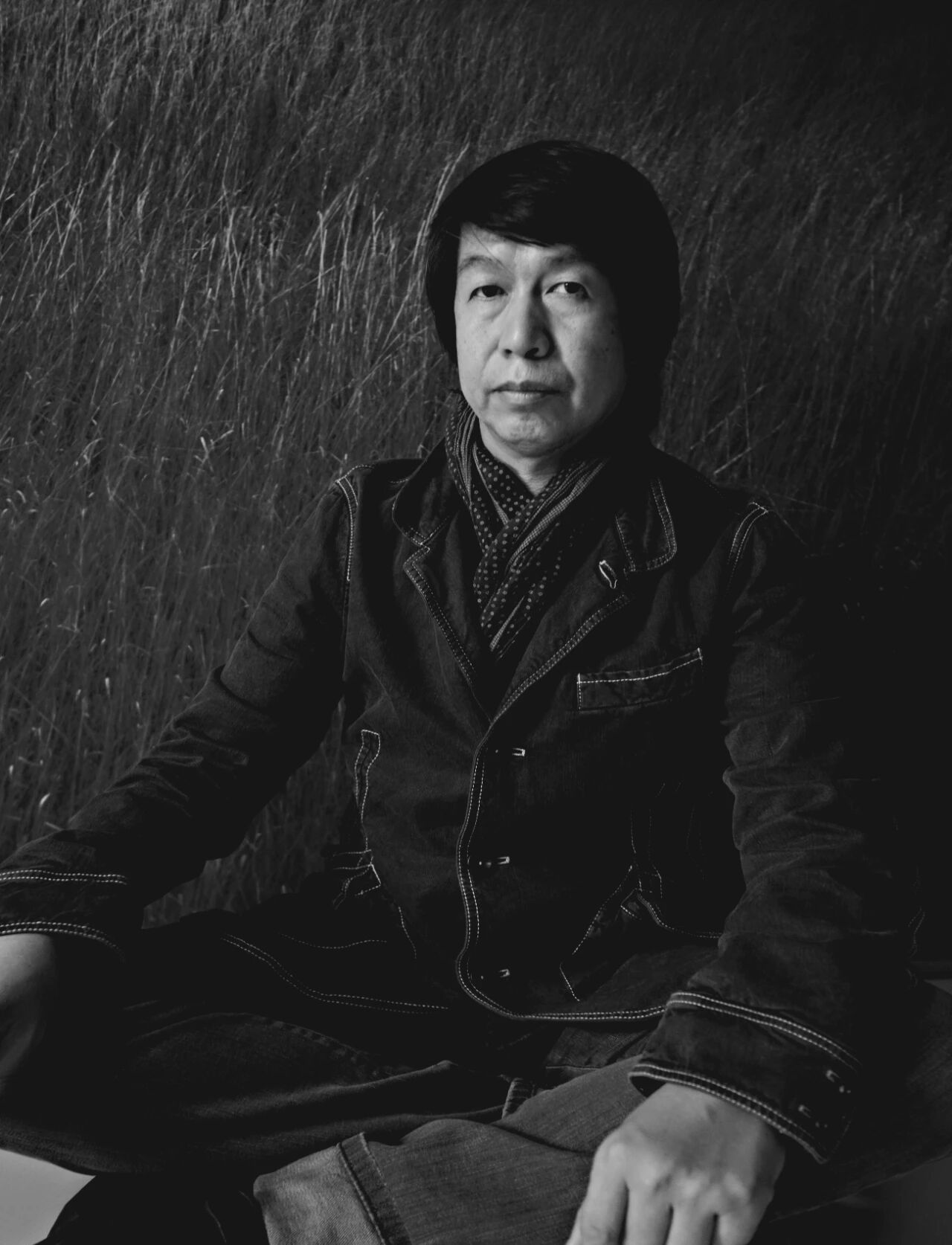
Cai Guangbin
Graduated from the Department of Figure Painting, Chinese Painting School, Zhejiang Academy of Fine Arts (now China Academy of Art) in 1988. Currently, he serves as Professor at the School of Fine Arts, East China Normal University, Director of the Contemporary Ink Art Research Center, Artist of Shanghai Chinese Painting Academy, and Deputy Director of the Ink Painting Experiment Research Committee of the China Council for the Promotion of Cultural Development. He was nominated for the 2014 AAC Art China Annual Influential Ink Artist Award.
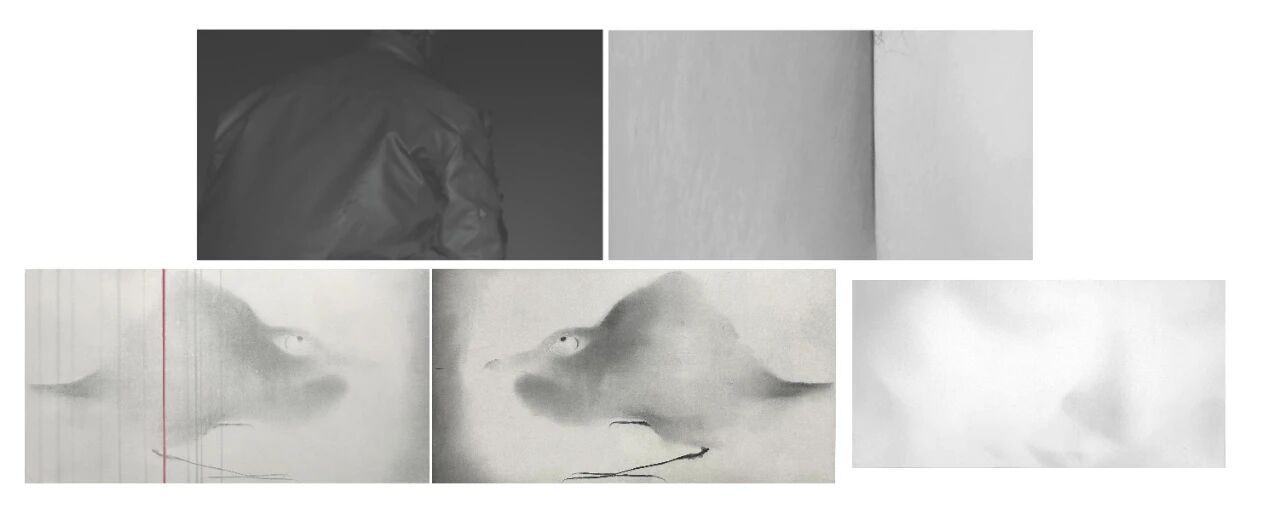
Airspace, Looking Back. Anbo Road and Yezhi Lake
July 28, 2022 – January 2023
Ink on Rice Paper
97×180 cm × 3, 70×140 cm
Video & Ink Painting
98×180 cm
Created in 2023, 2025
Today, contemporary art is not merely about expressing your viewpoints; it must engage in more direct internal and external communication with the audience. This is precisely why I have chosen to explore and integrate digital images, forging a minimalist fusion between digital culture and my ink paintings, which are mostly presented in a juxtaposed manner. I use the exploratory form of hand-painted ink art to balance the images I have shot and created, thereby expressing my emotions as well as my attention to, digestion of, and ultimately artistic representation of the real and digital worlds.
The works exhibited here convey clear meanings: they not only present the social context and evoke reflections on cultural heritage while posing inquiries about the present, but also serve as a genuine exploration of psychological desires.
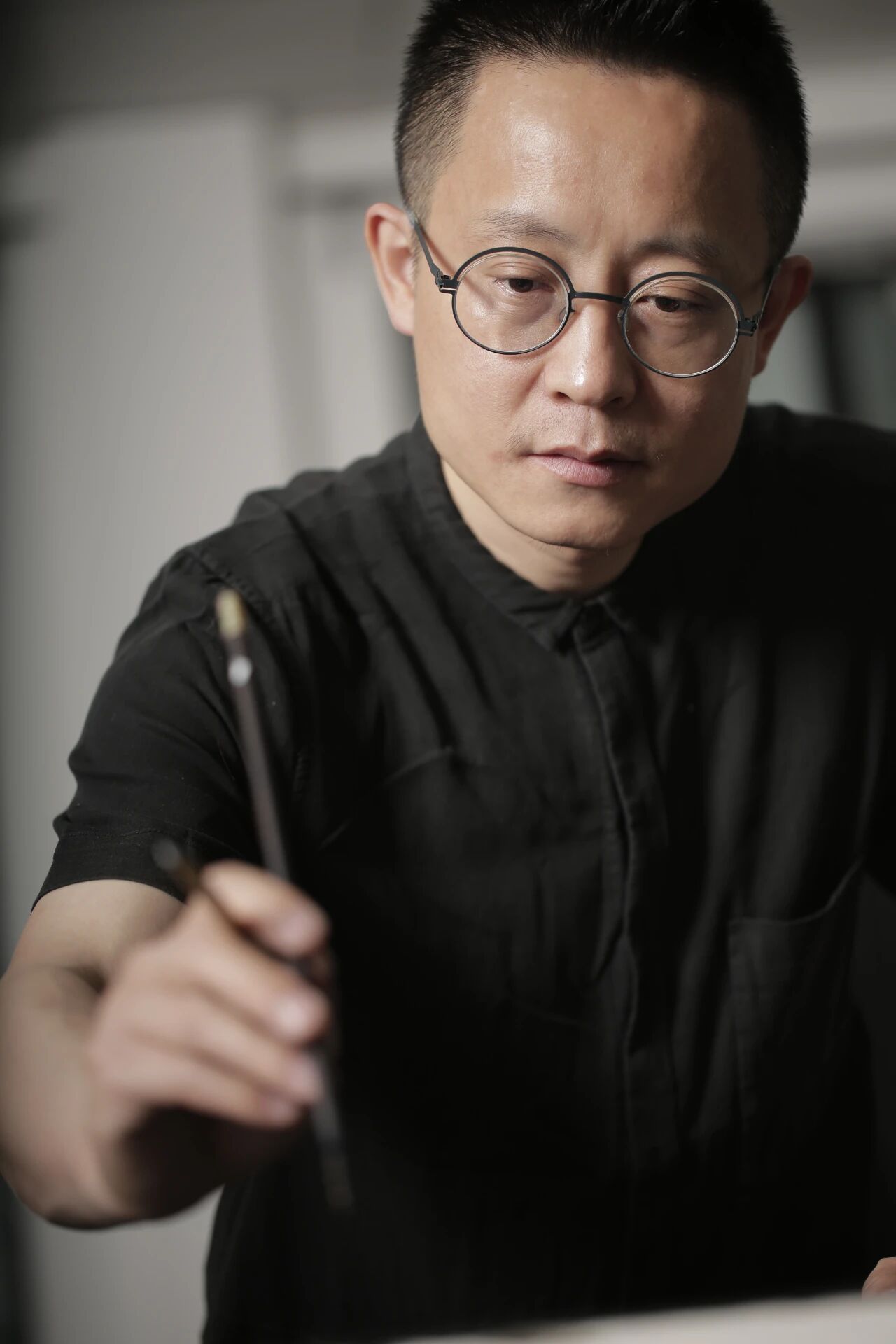
Hang Chunhui
Born in 1976 in Dangtu, Anhui Province, he graduated from the Central Academy of Fine Arts in 2005 with a Master’s degree. He obtained his Doctor’s degree from the Chinese National Academy of Arts in 2011.
He currently serves as a Director of the Chinese Fine Brush Painting Society and Deputy Director of its Youth Art Committee. His accolades include the International Jury Award at the 5th Denmark J.C. Jacobsen Portrait Award, the Annual Artist Award of Times Art Museum, the Annual Art Growth Award at the 11th China Art Power List, and selection as one of the 100 Most Influential Figures on the 13th China Art Power List.
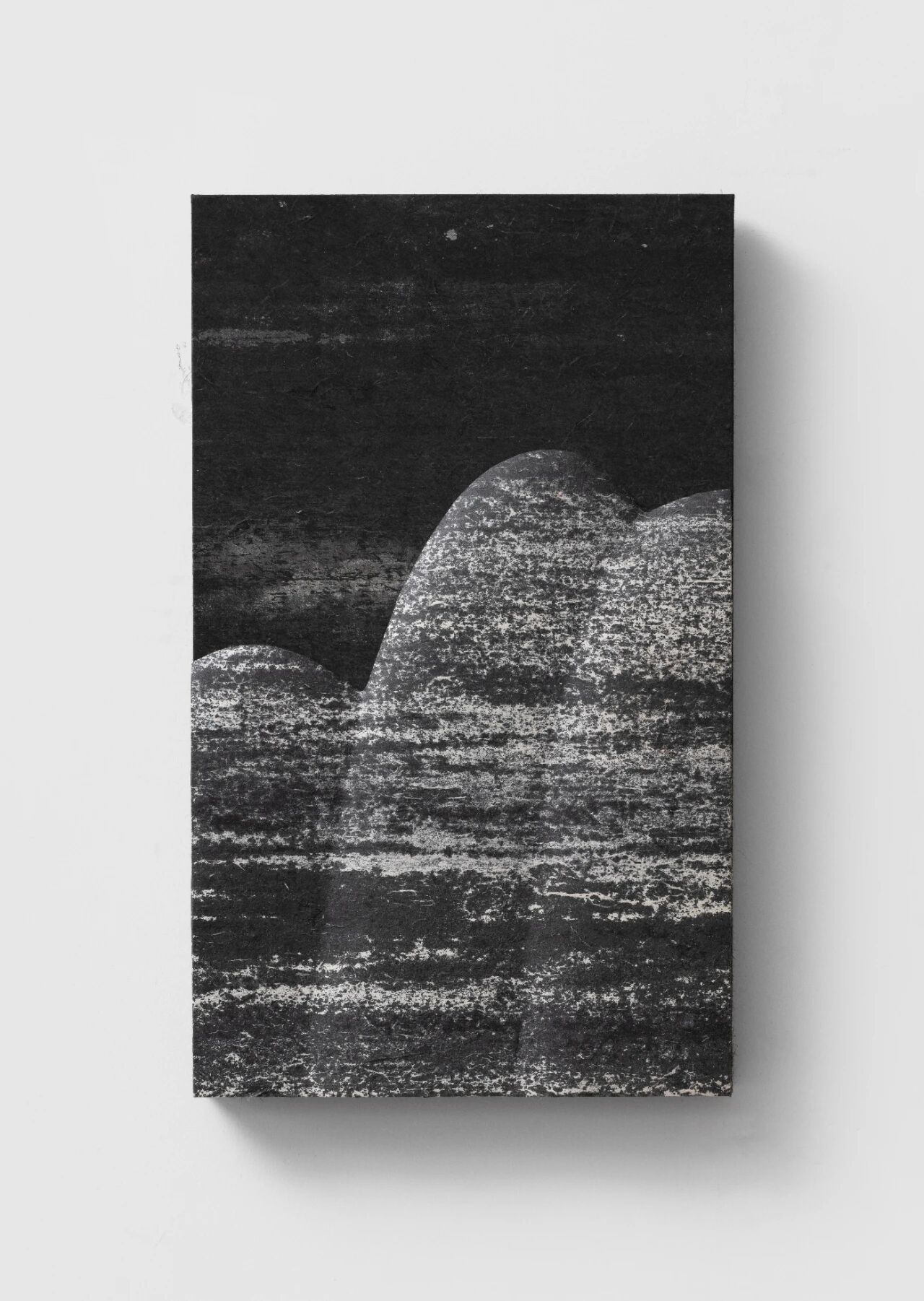
Pleated Mountains 2025-1
50×30 cm
Mixed Media
2025
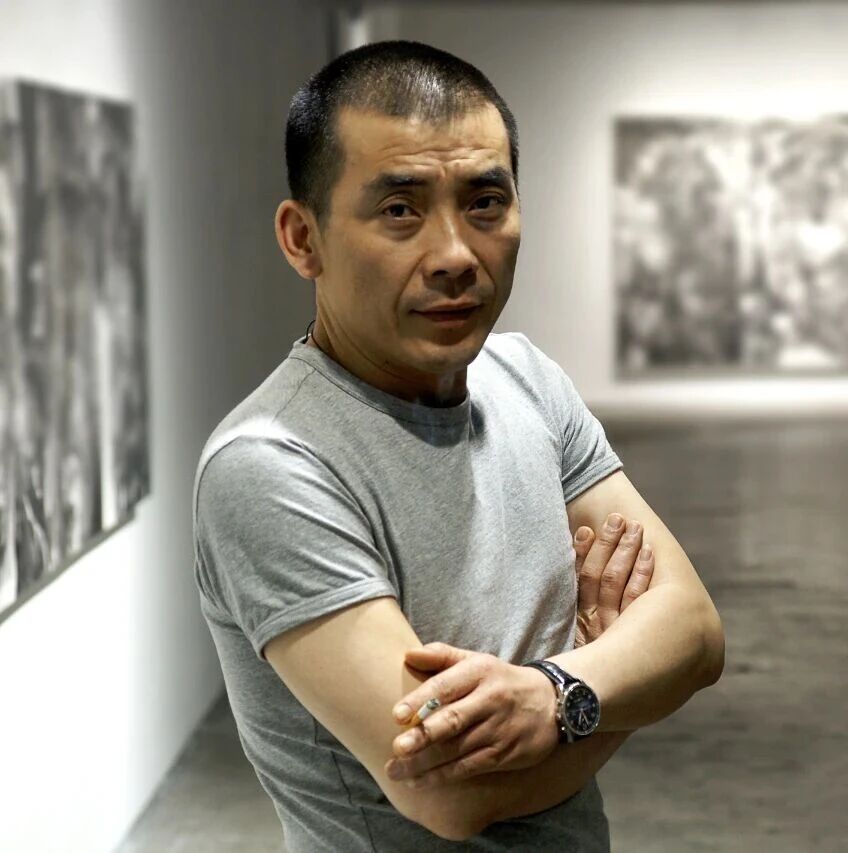
Huang Jun
Graduated from the Department of Figure Painting, China Academy of Art in 1990, and obtained a Doctor’s degree in 2007.
Currently, he serves as Professor and Doctoral Supervisor at China Academy of Art; Deputy Director of the Illustration and Book Design Art Committee of the China Artists Association; Member of the National Major Theme Art Creation Art Committee of the China Artists Association; and Director of the Comic Strip and Illustration Art Committee of the Zhejiang Artists Association.
He also acts as a Review Expert for National Major Theme Art Creation at the Ministry of Culture and Tourism (formerly the Ministry of Culture); a Judge for the 13th and 14th National Art Exhibitions; a Judge for the 7th National Youth Art Exhibition; and a Judge for various other individual awards of the China Artists Association.
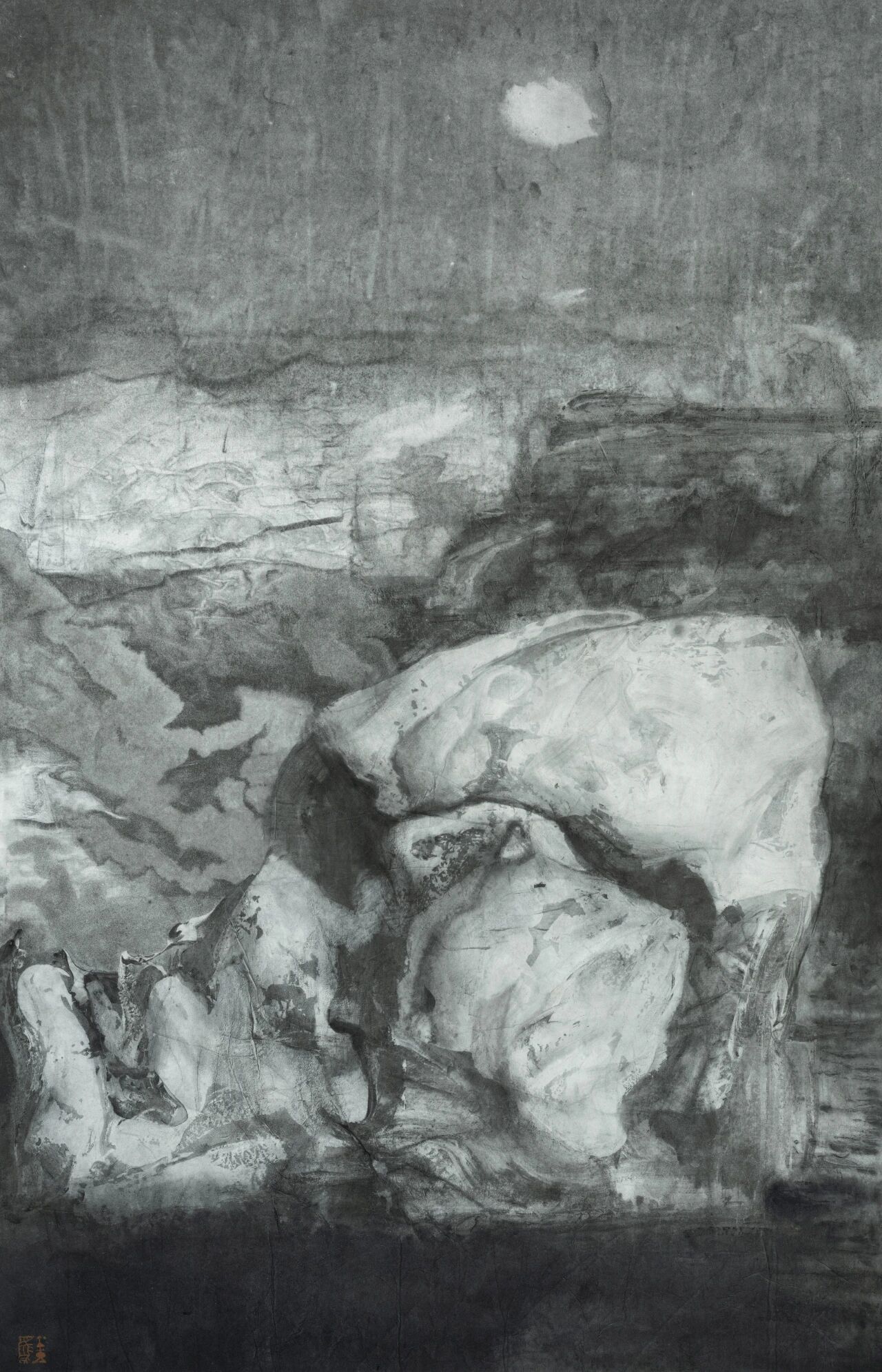
Formless No.18
Ink on Rice Paper
144×93 cm
2024
Human figures serve as the medium of my creation, and nature acts as the space for my artistic expression. Both of them are the images in the painting of "objects" — the "objects" that constitute all things in nature.
My creation stems from a practical approach that connects the limbs of the human body to the four corners of the earth. It presents infinitely mysterious intersections in the time and space of the alternating four seasons, and is a profound revelation brought by the cohesive expression of human beings and the natural ecosystem.
Huang Yihan
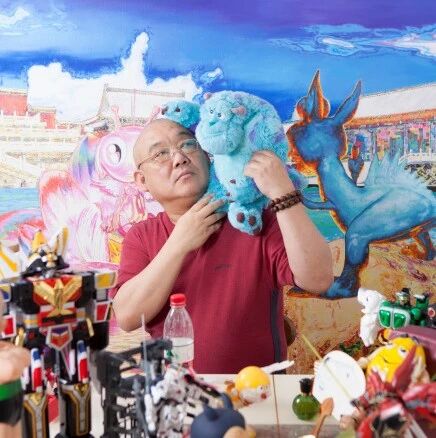
Born in December 1958 in Lufeng, Guangdong Province, he graduated from the Department of Chinese Painting, Guangzhou Academy of Fine Arts in 1982 with a Bachelor’s degree. In 1985, he completed his studies in the postgraduate class supervised by Professor Yang Zhiguang and obtained a Master’s degree in Figure Painting of Chinese Painting from Guangzhou Academy of Fine Arts.
Currently, he serves as a Professor at the School of Chinese Painting, Guangzhou Academy of Fine Arts. His works have been exhibited in numerous major art exhibitions at home and abroad and collected by major art museums worldwide. In 2004, he was awarded the first Fu Baoshi Award for Ink Painting.
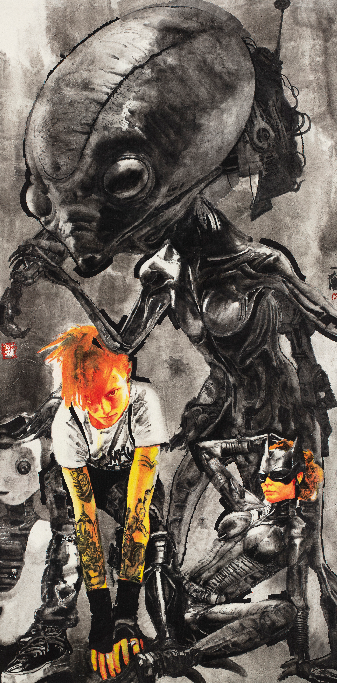
AI Space
Ink on Rice Paper
244×122 cm
2025
Under the new historical conditions of the new century, the rapid evolution and mutation of violence have always threatened us, the kind-hearted human race. With the rapid development of high technologies such as computer networks, future violence involving high-tech intervention will be far more devastating than the violence of natural attributes we face today. As artists, we must conduct in-depth research and take preventive measures; it would be irresponsible to evade or turn a blind eye to this issue.
In the new century, an astonishing number of high-tech, virtual and new-concept artworks have emerged in the global art scene! These works reflect people’s anxiety about the living environment and conditions of every person on Earth. High technologies, new elements and human genetic mutations indicate the arrival of a new historical era for humanity and the post-human era, marking a fundamental distinction between the characteristics of the 21st century and those of the 20th century. The development trend of the world’s avant-garde art not only represents the future direction of global art, but also points the way forward for the future of Chinese art.
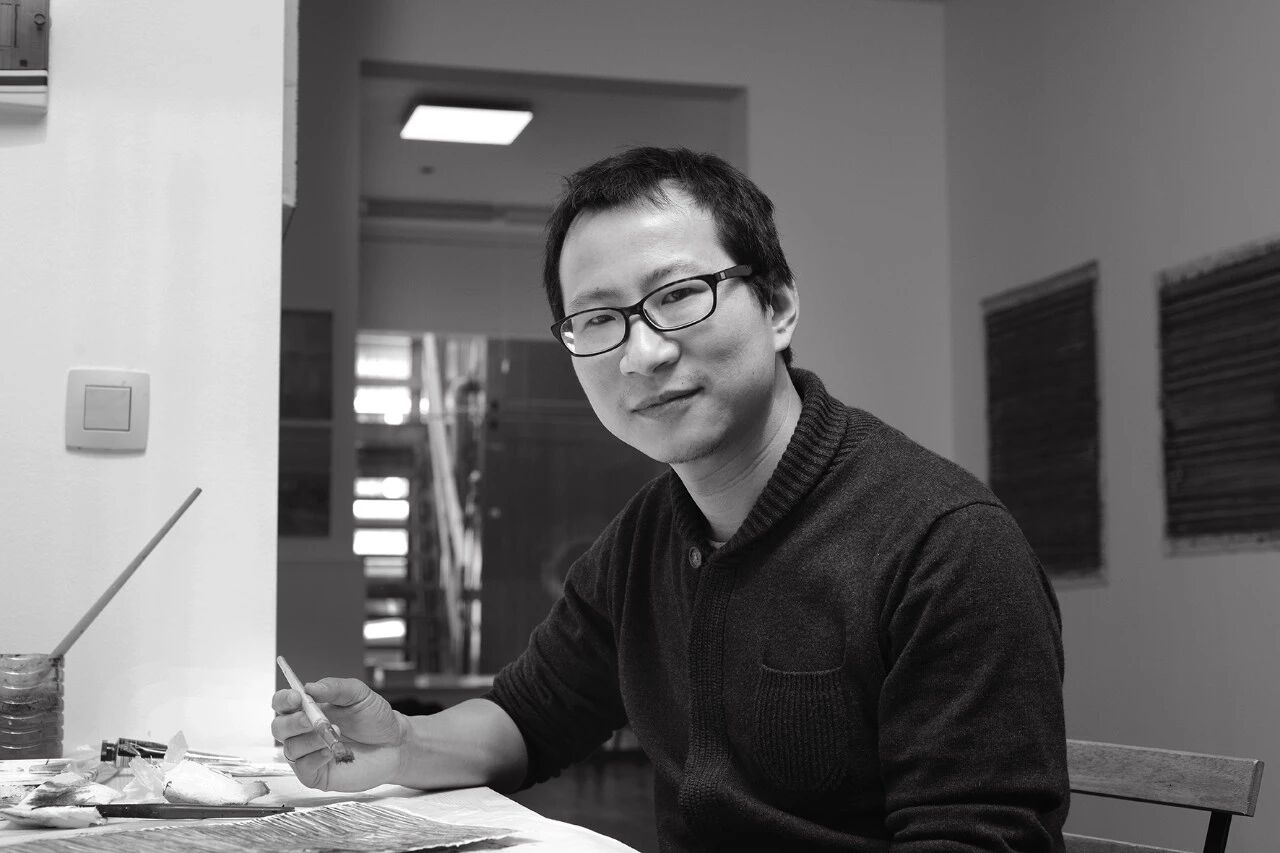
Ke Jipeng
Born in Chenghai, Guangdong in 1979; graduated from the School of Fine Arts, South China Normal University in 2003 with a Bachelor of Arts degree; obtained a Master of Fine Arts degree from the Department of Oil Painting, Guangzhou Academy of Fine Arts in 2014; served as a visiting scholar at the Saint-Lucas School of Arts in Brussels, Belgium in 2015; has been teaching at the College of Arts, South China Agricultural University since 2003.
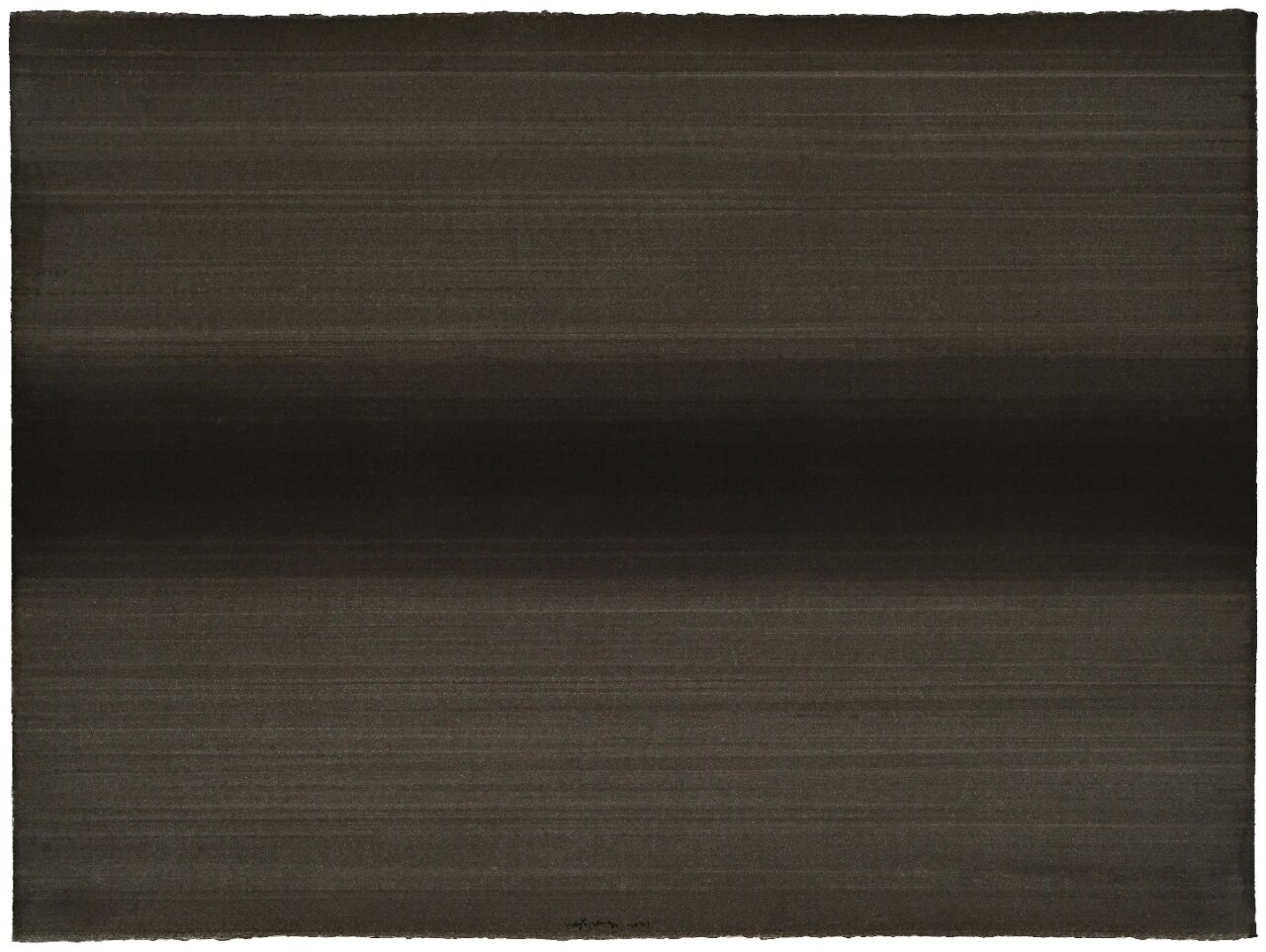
Infinity No.2021P05
Ink on Arches Paper
56×76 cm
2021
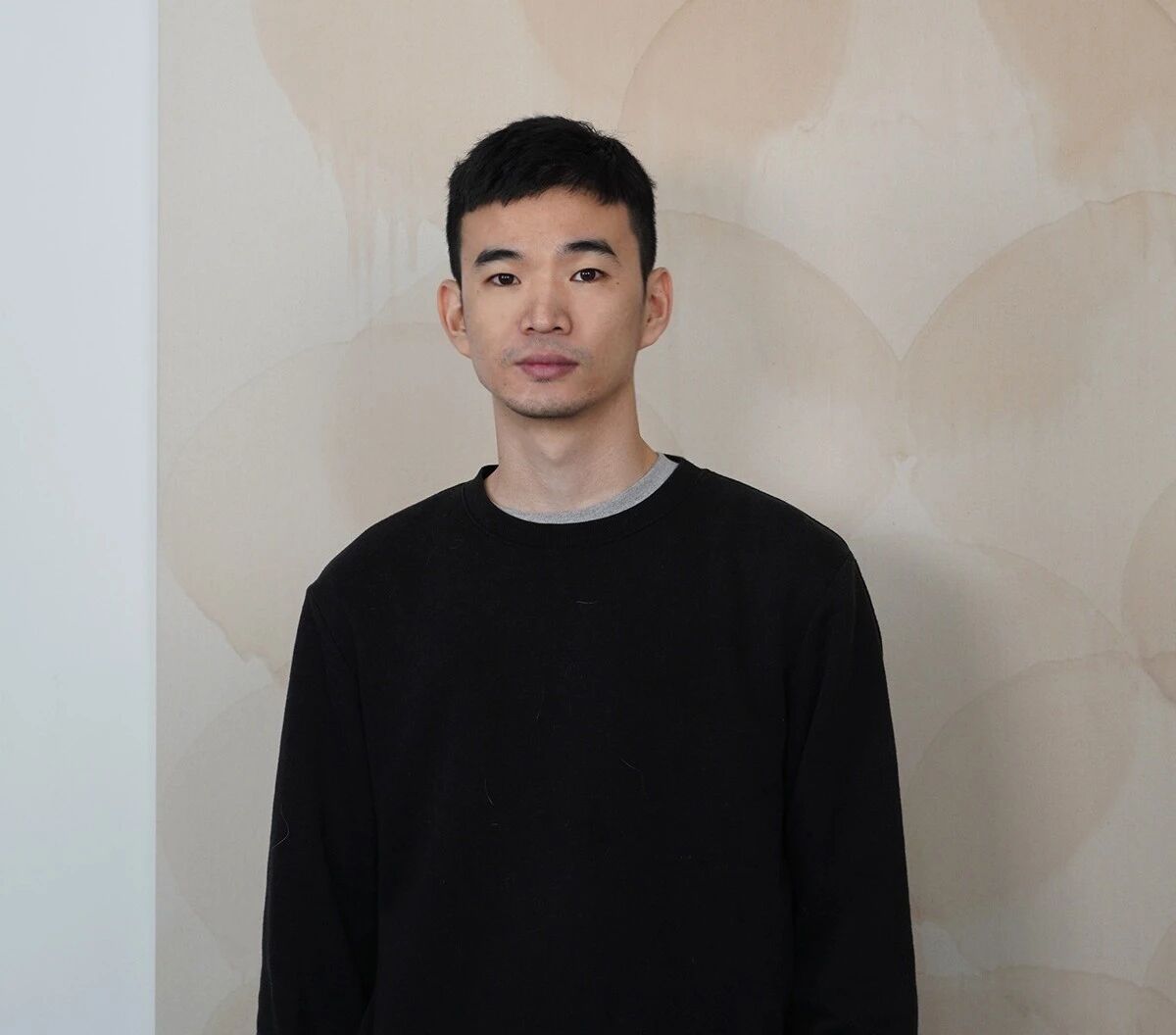
Li Hongcheng
Born in Shanwei City, Guangdong Province in 1994, he currently works and lives in both Guangzhou and Macao. He graduated with a Bachelor’s degree from the Department of Oil Painting, Guangzhou Academy of Fine Arts in 2019, obtained a Master’s degree from the same department in 2023, and has been pursuing a Doctor’s degree in Fine Arts at the Faculty of Humanities and Arts, Macau University of Science and Technology since 2024.
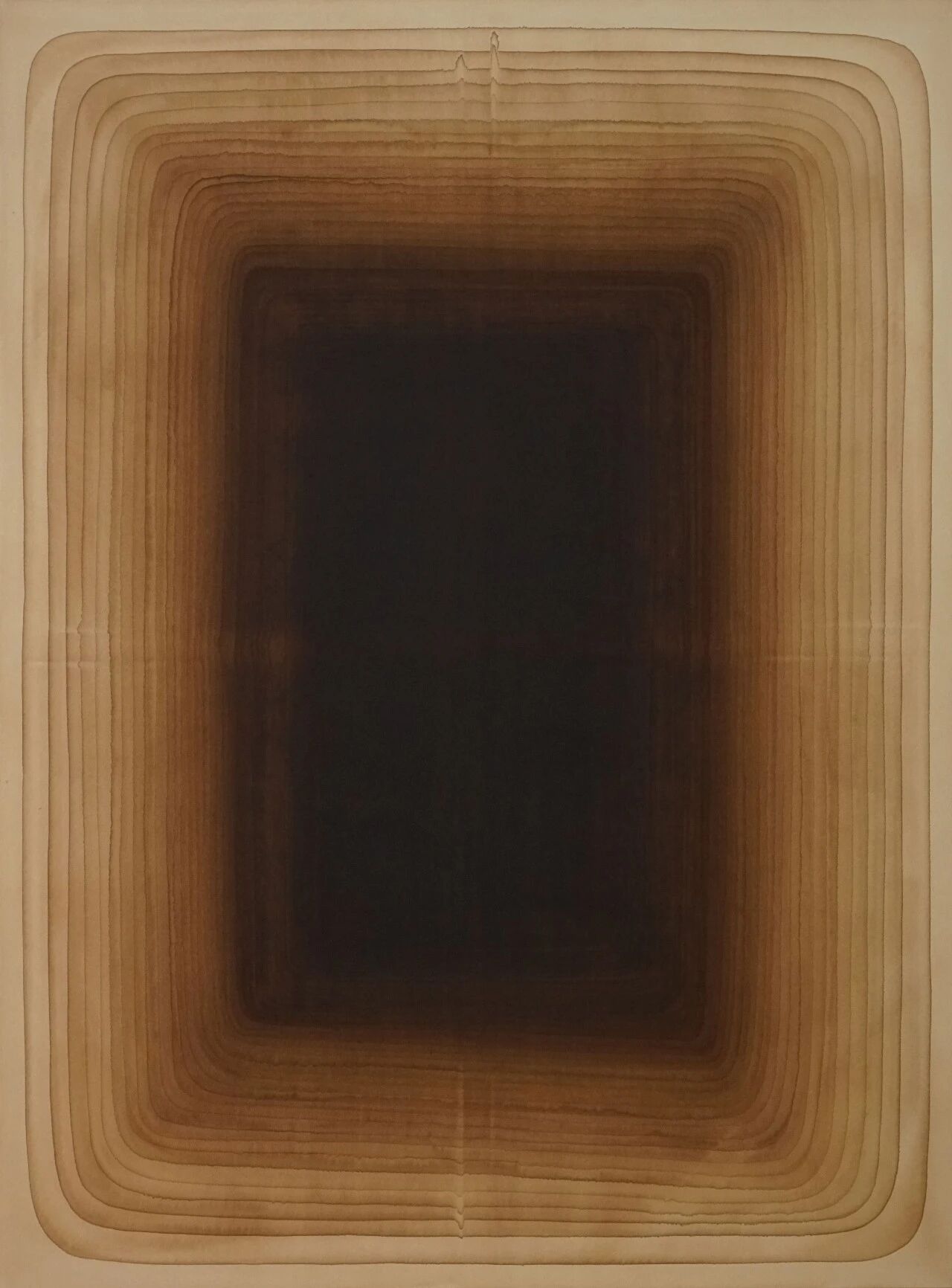
The Missing 21 Grams No.32
140×188 cm
Pu'er Tea, Cotton Fabric
2020
In The Missing 21 Grams series, the substances in the Pu'er tea cake are concentrated and extracted into a purified material, which is then brushed onto the canvas layer by layer through a painting technique, making it visible on the surface.
Why is it titled The Missing 21 Grams? The reason is that after repeatedly brewing the Pu'er tea cake until the tea liquor turns colorless, the tea residue is dried again and pressed into a residue cake. When a brand-new tea cake and the residue cake are placed on the two ends of a balance, the balance tilts toward the new tea cake. Only when a 21-gram weight is placed on the side of the residue cake can the balance be restored.
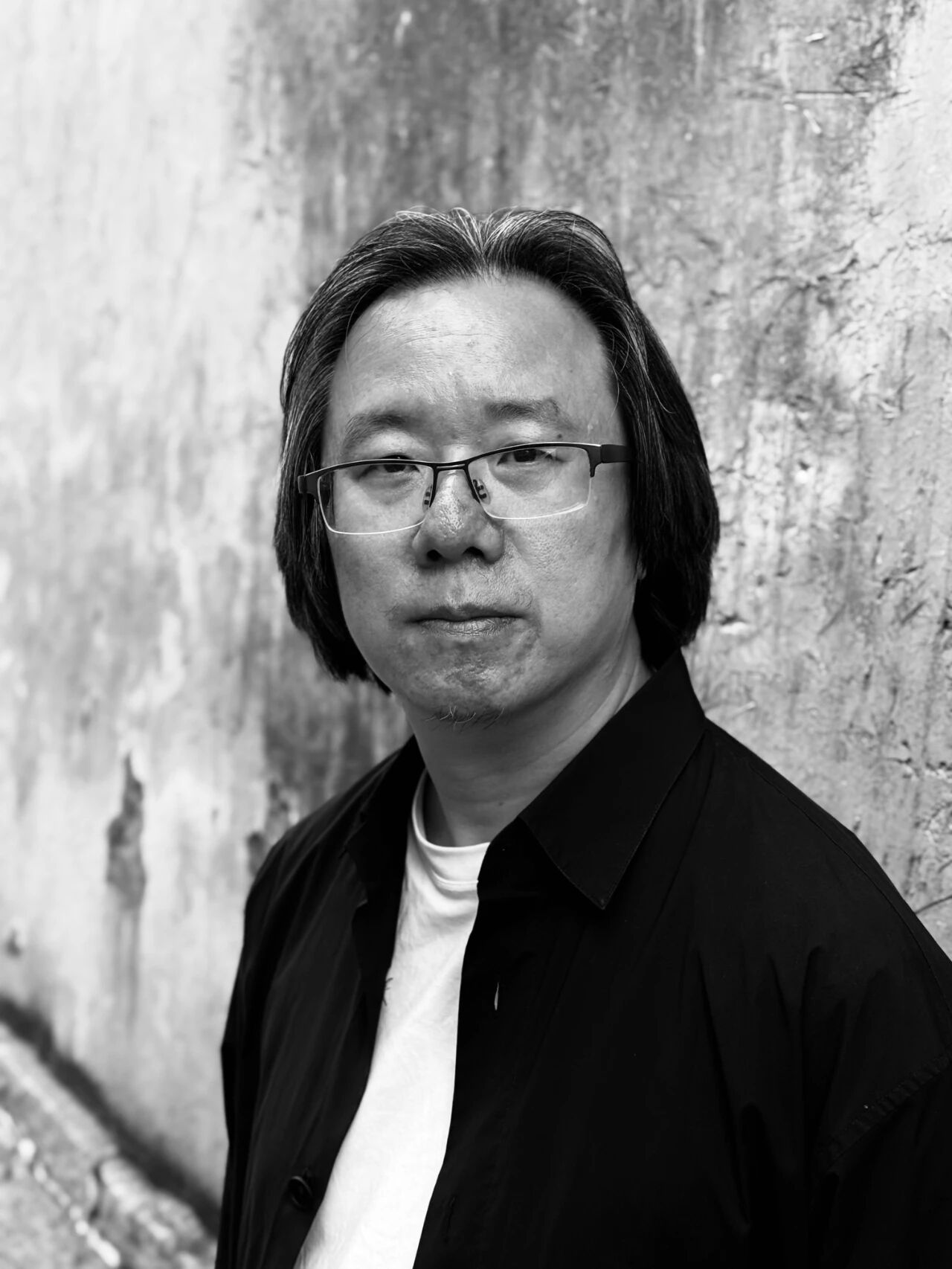
Li Jun
He graduated from the School of Chinese Painting, Central Academy of Fine Arts in 2008 with a Master’s degree.
Currently, he serves as Associate Professor and Deputy Director of the Department of Experimental Art at the School of Experimental Art, Tianjin Academy of Fine Arts. He is also a Member of the Mixed Media Painting Art Committee of the China Artists Association, as well as a Director and Member of the Youth Art Committee of the Chinese Fine Brush Painting Society.
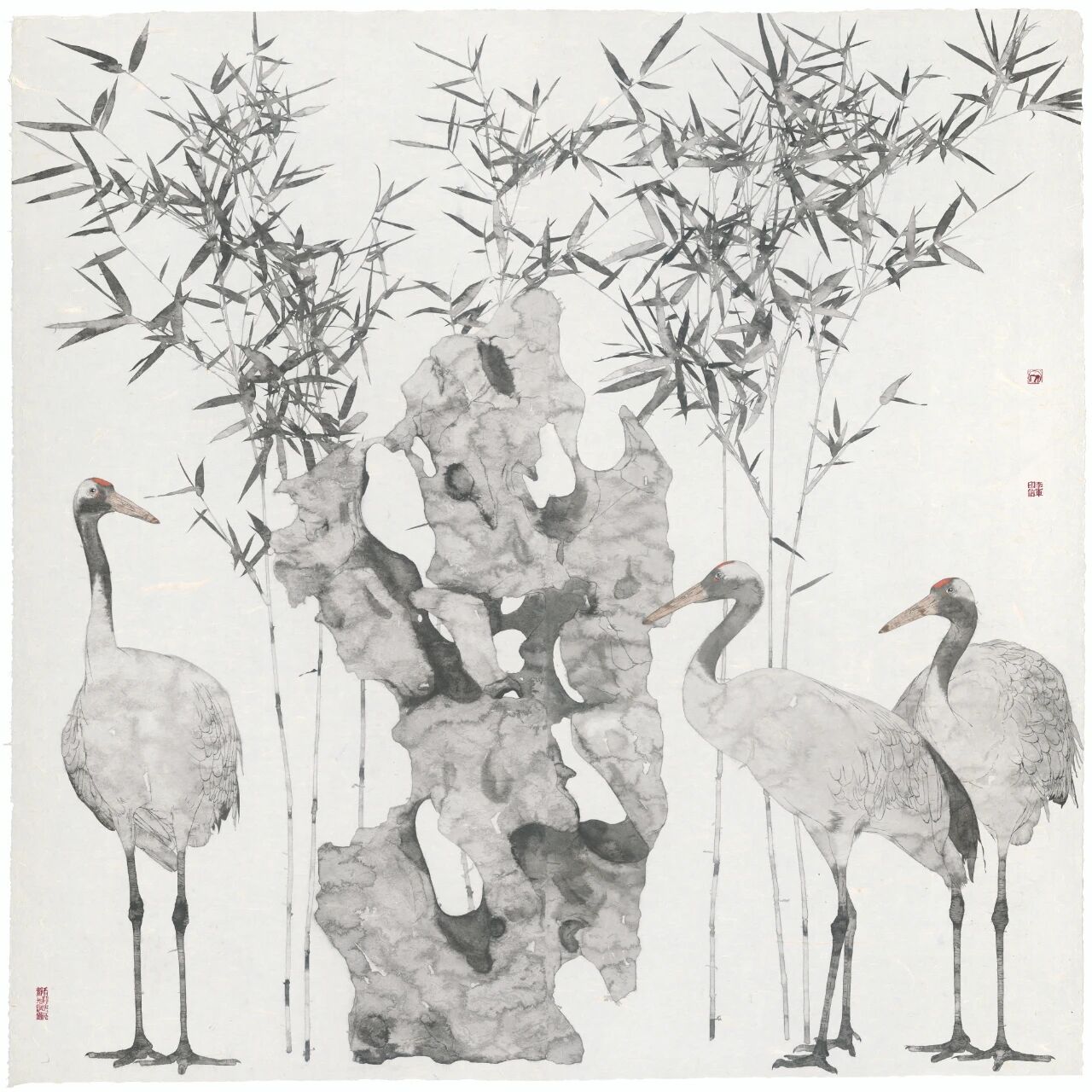
Bamboo, Rocks and Auspicious Cranes
Ink on Paper
180×180 cm
2022
I love tranquility — painting quietly alone, thinking quietly, observing quietly, and feeling quietly... In the gaze exchanged with animals, I grasp the meaning of life. With the simplest visual schemas and a unique ink-wash language, I convey the quietly growing spiritual essence of life that I have perceived.
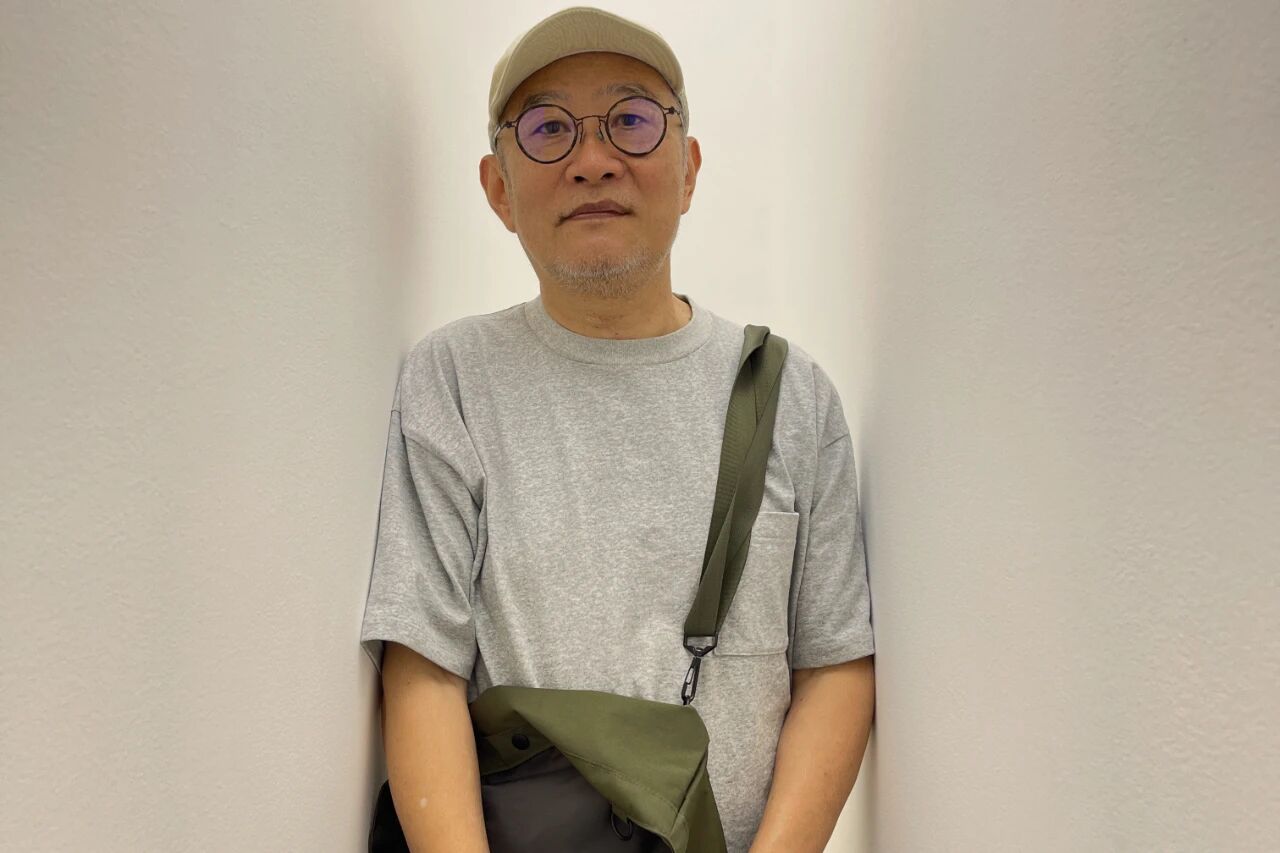
Liang Quan
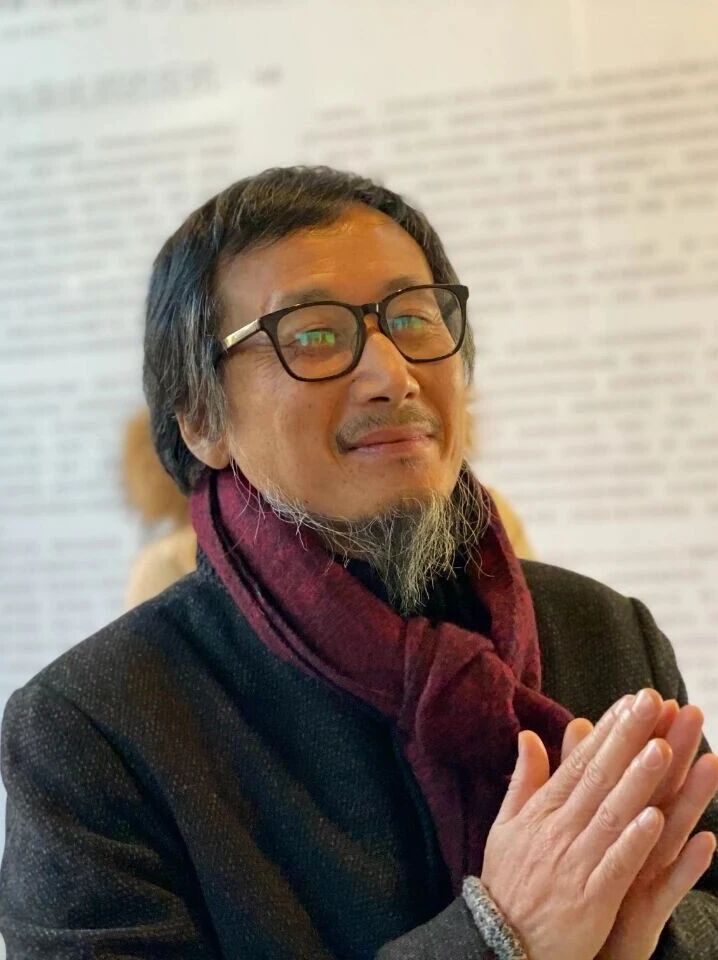
Artist Liang Quan was born in 1948. His ancestral home is Zhongshan, Guangdong, and he grew up in Shanghai. He was admitted to the Affiliated High School of Zhejiang Academy of Fine Arts (now China Academy of Art) in 1964. In 1981, he went to the San Francisco Art Institute in the United States to study printmaking. He returned to China in 1984 and took up a teaching position in the Department of Printmaking at Zhejiang Academy of Fine Arts. He left his teaching post in 1995 and became a full-time artist at the Shenzhen Art Academy in Guangdong.
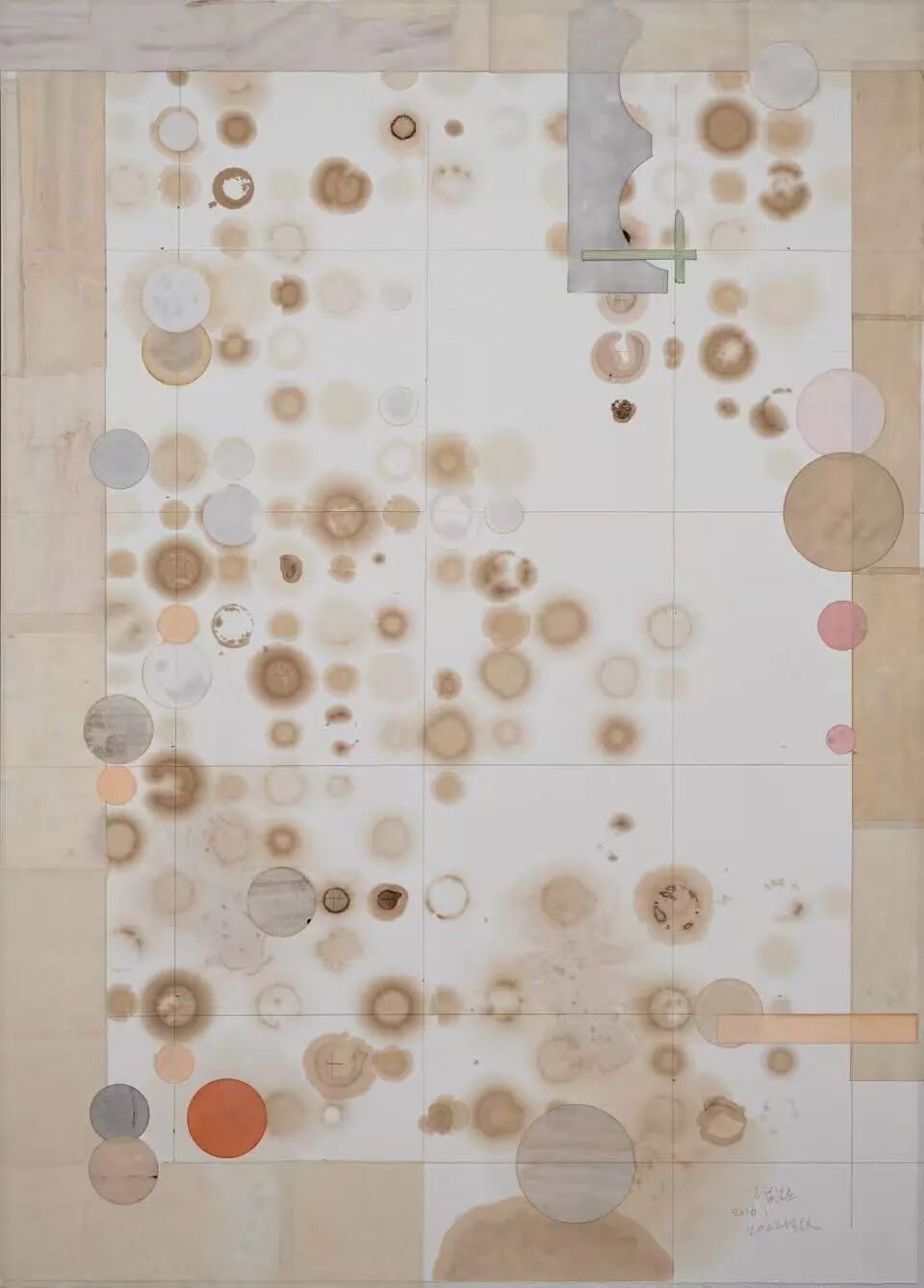
Da Hong Pao, 2016-2022
Tea, Pigment, Ink, and Rice Paper Collage
129.5×92.5 cm
Liang Quan's artistic style combines the dual characteristics of Chinese and Western visual cultures. While drawing on the experiences of Western modern and contemporary art, he returns to the deeply rooted traditions of Chinese art that he knows well through linguistic and formal approaches, thus constructing an aesthetic framework that is not only distinct from Chinese indigenous art but also maintains differences from Western art.
Lin Jichang
Also known by his art name Jichang. He is an independent artist, Vice President of the Guangdong Modern Writers Research Association, and Curator of the Humanities Art Museum. He is a painter, poet, and art critic.
Selected Solo Exhibitions:
- West Chamber Variations (Guangdong Academy of Fine Arts Museum, 2009)
- Symbiosis of All Beings (Kimbo Sung Art Museum, Seoul, South Korea, 2019)
- The Art of Carefree Wandering (Li Xiongcai Art Museum, 2023)
Selected Group Exhibitions & Awards:
- Participated in the 58th Venice Biennale (MY, Zen Palace, 2019)
- Participated in the 8th and 9th Asian Humanities Art Exhibition (Hangzhou)
- Participated in the 13th, 17th to 20th AAmA International Touring Exhibition
- Winner of the Artistic Diversity Contribution Award at the 18th AAmA International Exhibition
-
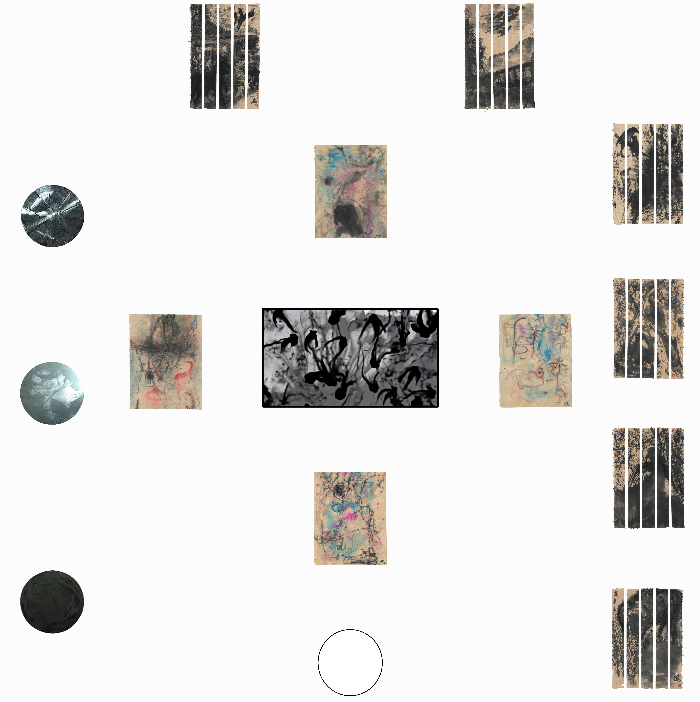
Misreading: The "Three, Five and One as One" of the Hetu
Installation (Components: Video (1 piece) + Flat Paintings (60×60 cm × 10 pieces) + Mirrors (60×60 cm × 4 pieces))
2025
This work takes the "Three-Five-One Unification Diagram" recorded in Zhouyi Cantong Qi (The Kinship of the Three in the Yellow Emperor's Canon of Eternity) as its conceptual prototype. It arranges fifteen components according to the structure of the Hetu (Yellow River Diagram), forming a visually and conceptually homeomorphic relationship.
The regeneration of imagery is achieved through misreading and reconstruction:
- The central part is a digital video work, where images of misty ink wash and writhing organisms symbolize the "evolution of Taiji (Supreme Ultimate)".
- The four small works in the inner ring embody the natural order of the Four Elephants, and their free-style painting echoes Deleuze’s philosophy of nomadism.
- The six traditional Chinese paintings in the outer ring (four on the right and two on the top) are all cut into vertical strips and re-collaged, metaphorizing discipline and order, which correspond to Deleuze’s concept of striated space.
- Four round mirrors are embedded in the outer ring (three on the left and one at the bottom), presenting fragmented, blurred, dark and bright mirror surfaces respectively. The "mirror images" are used to symbolize the reflection and mutation of cognition.
The entire installation intends to present the evolutionary process of ink wash from a material form to a digital specter. By virtue of topological structure, it achieves an isomorphic expression across ontological levels, thereby revealing the tensions and contradictions inherent within.
Lin Xueming
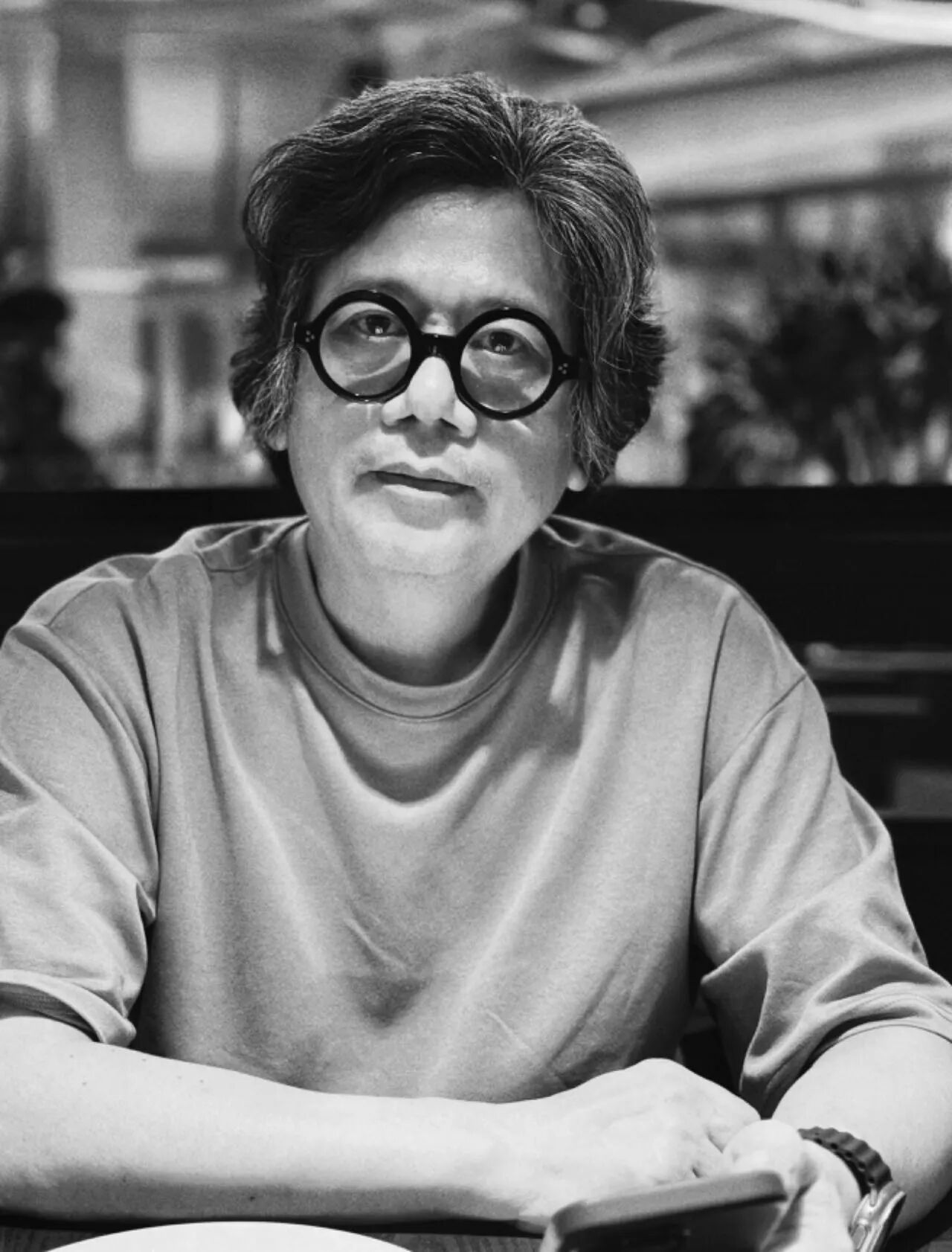
A pathfinder walking at the intersection of art and design, a genuine practitioner of "grand fine arts", and a pioneer who transcends the boundaries of design, art and ideology.
He is a first-hand participant and promoter of the modernization of Chinese design, a witness to the magnificent era of the "Class of 1977" at the Central Academy of Arts and Crafts, and a disciple of such artistic masters as Zhang Ding, Wu Guanzhong and Zhu Danian.
Rooted in Lingnan since the early 1980s, Lin Xueming, with his broad vision and pioneering awareness, not only laid the modern foundation for interior design in Guangzhou, but also took the lead in practicing the educational philosophy of "integrating production, education and research" under the name of "Jimei Group", exerting a far-reaching influence and being hailed as one of the founders of China's interior design industry.
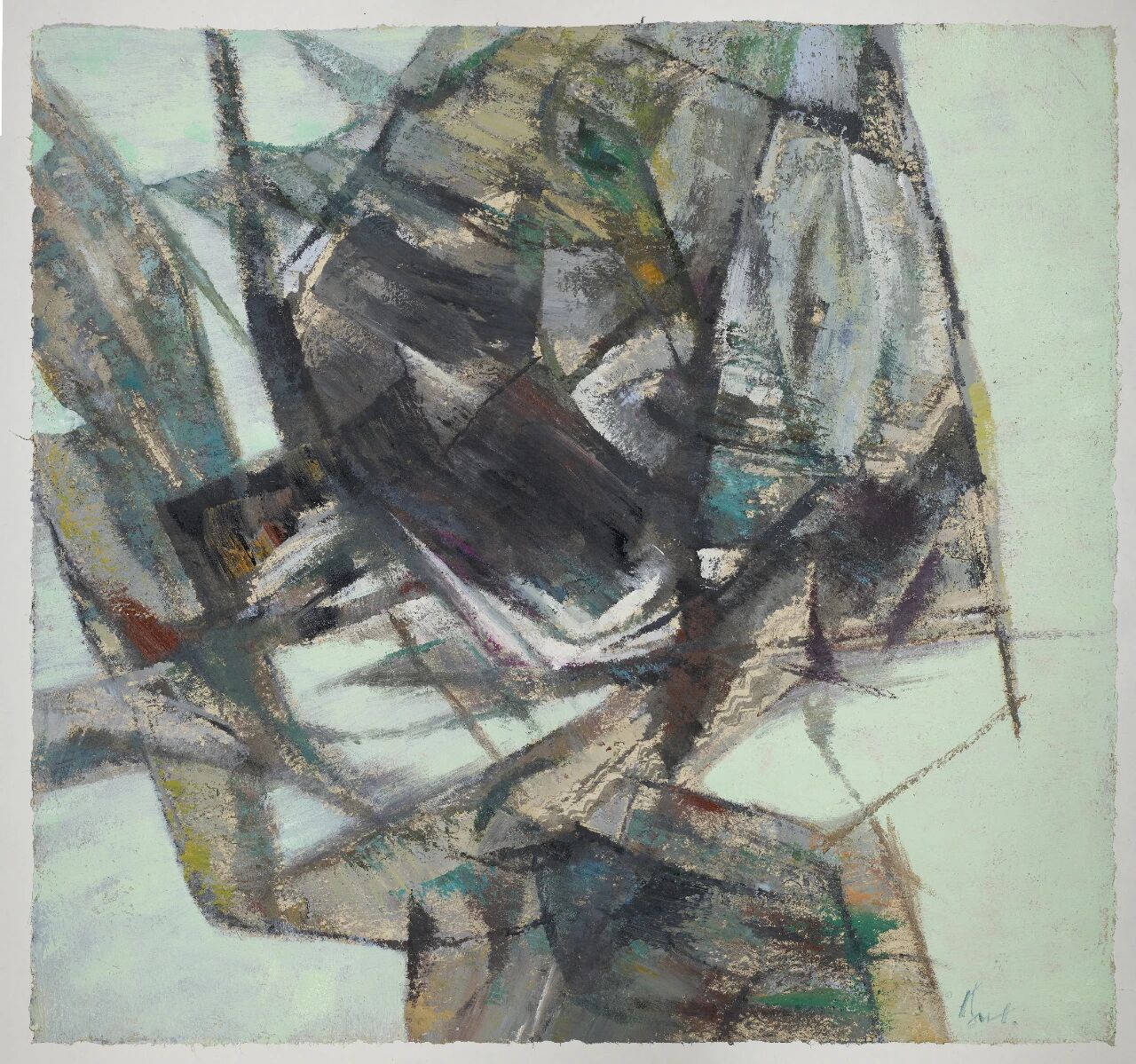
The Masked Child
Ink and Mixed Media
92×97 cm
2025
"The Mask" not only refers to the confrontation between the Aztecs and the Spanish colonizers, but also serves as a metaphor for the loss of modern individuals amid cultural oppression. Lin Xueming employs ink wash and mixed media to create a linguistic sense of fragmentation and recombination, symbolizing the identity reconstruction after colonial trauma. Transcending figurative narration, the work constructs a "third space" in the post-colonial context—within the tension between the primitive and the modern, it calls on viewers to gaze at history and the present in a new way.
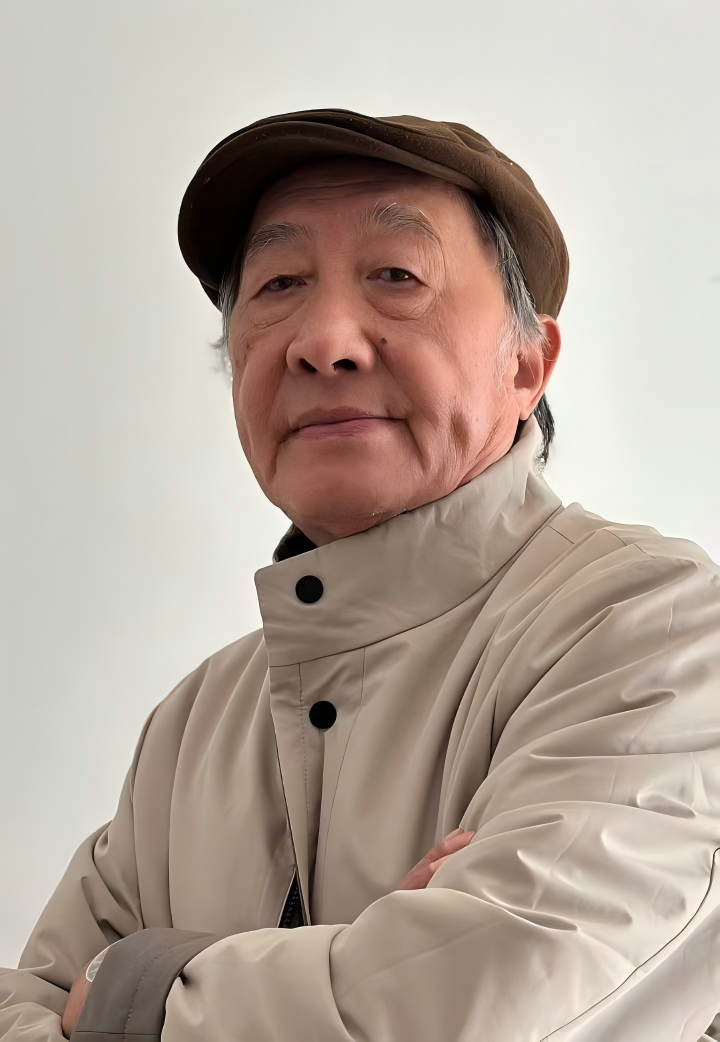
Liu Yiyuan
Born in Wuhan in 1942, he is a Professor of the Department of Chinese Painting at Hubei Academy of Fine Arts. As early as 1959, he took up the profession of copying ancient Chinese paintings. In 1979, he was admitted as a postgraduate student majoring in Chinese Painting at the Department of Fine Arts of Hubei Institute of Arts (later renamed Hubei Academy of Fine Arts). After graduation, he stayed at the academy to teach landscape painting and flower-and-bird painting, and also dedicated himself to the creation and research of modern and contemporary ink art. After retiring in 2002, he devoted himself wholeheartedly to artistic creation and holding solo art exhibitions.
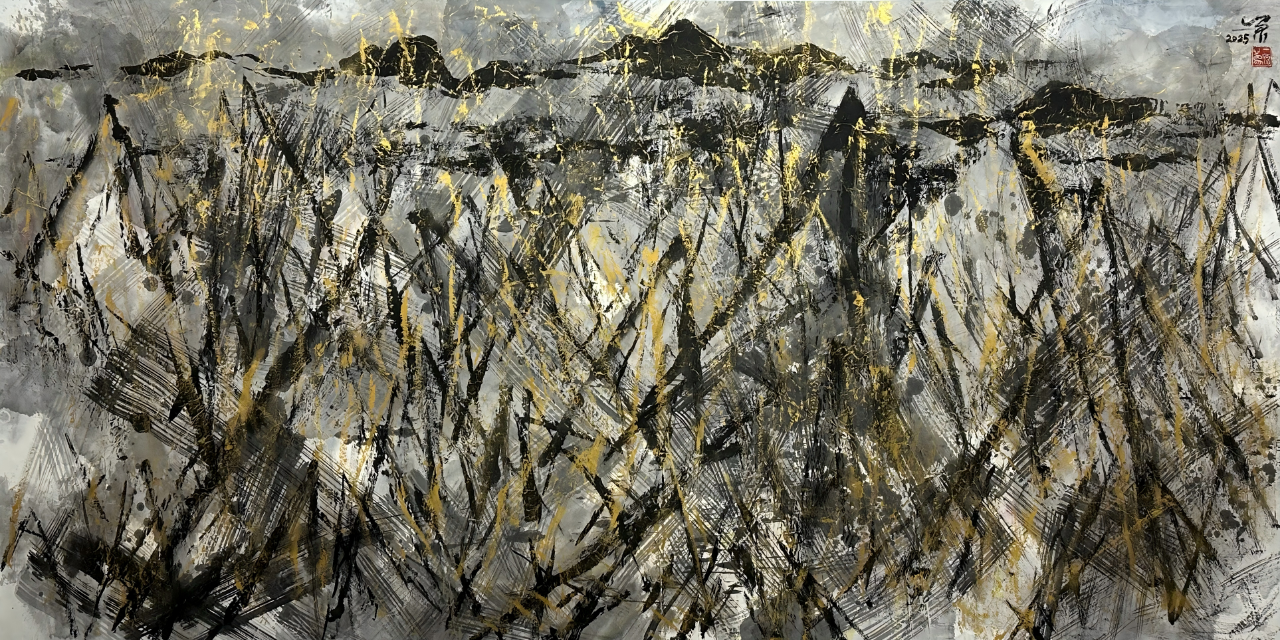
Metamorphosis
123×244 cm
2025
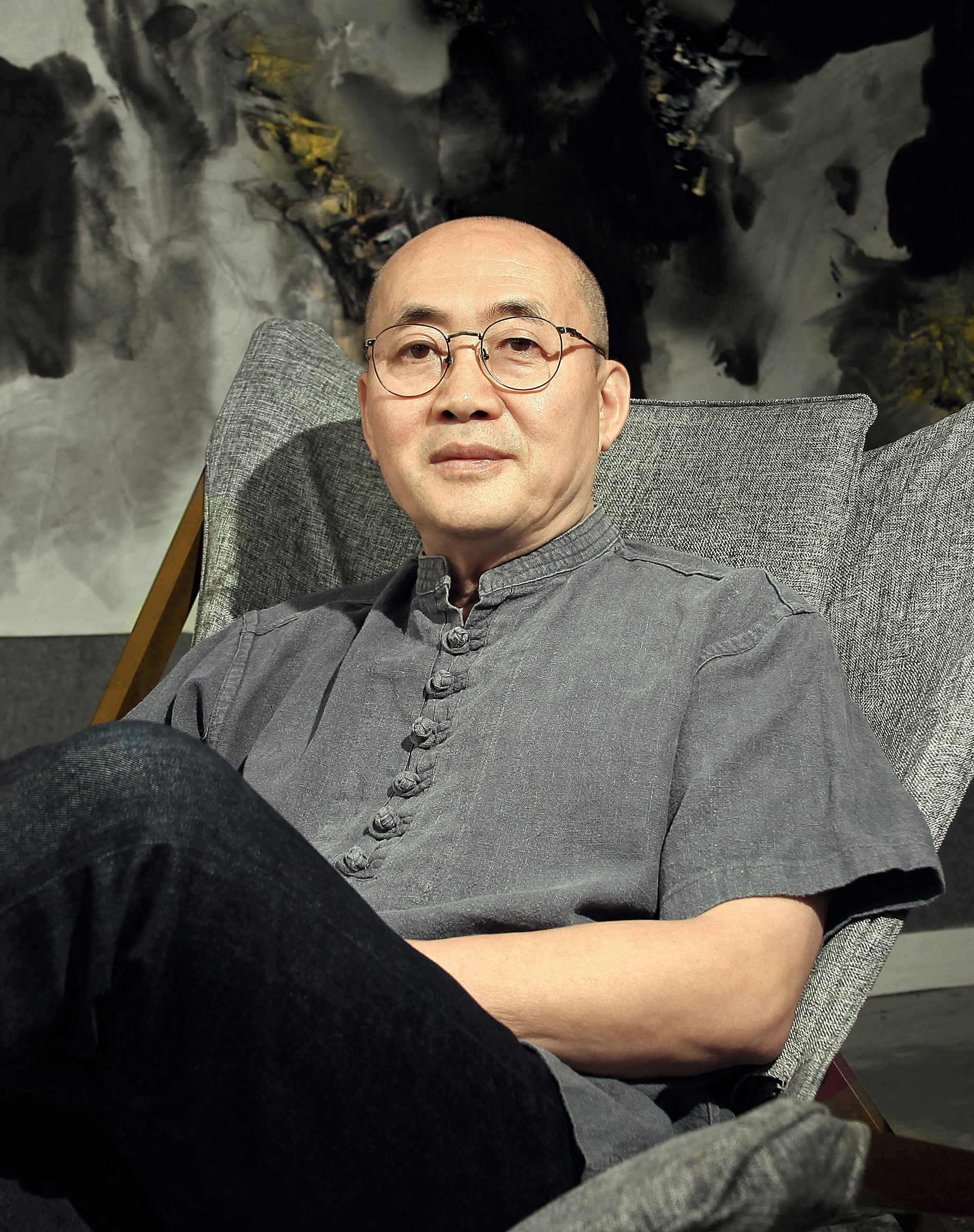
Liu Zijian
Born in Jingzhou City, Hubei Province in 1956, he graduated from the Chinese Painting major of Hubei Academy of Fine Arts in 1983. He currently holds the positions of Professor at the College of Fine Arts and Design, Shenzhen University; Research Fellow at the China National Academy of Painting; Vice President of the China New Ink Painting Academy; Deputy Director of the Ink Painting Experimentation Research Professional Committee of the China Council for the Promotion of Cultural and Artistic Development; Director of the Guangdong Chinese Painting Society; and Vice President of the Shenzhen Chinese Painting Society.
As a representative artist of China’s experimental ink painting, he has long been committed to the creation of abstract ink painting. His creative practice and theoretical research have played a positive role in promoting the modernization process of Chinese ink painting since the 1990s.
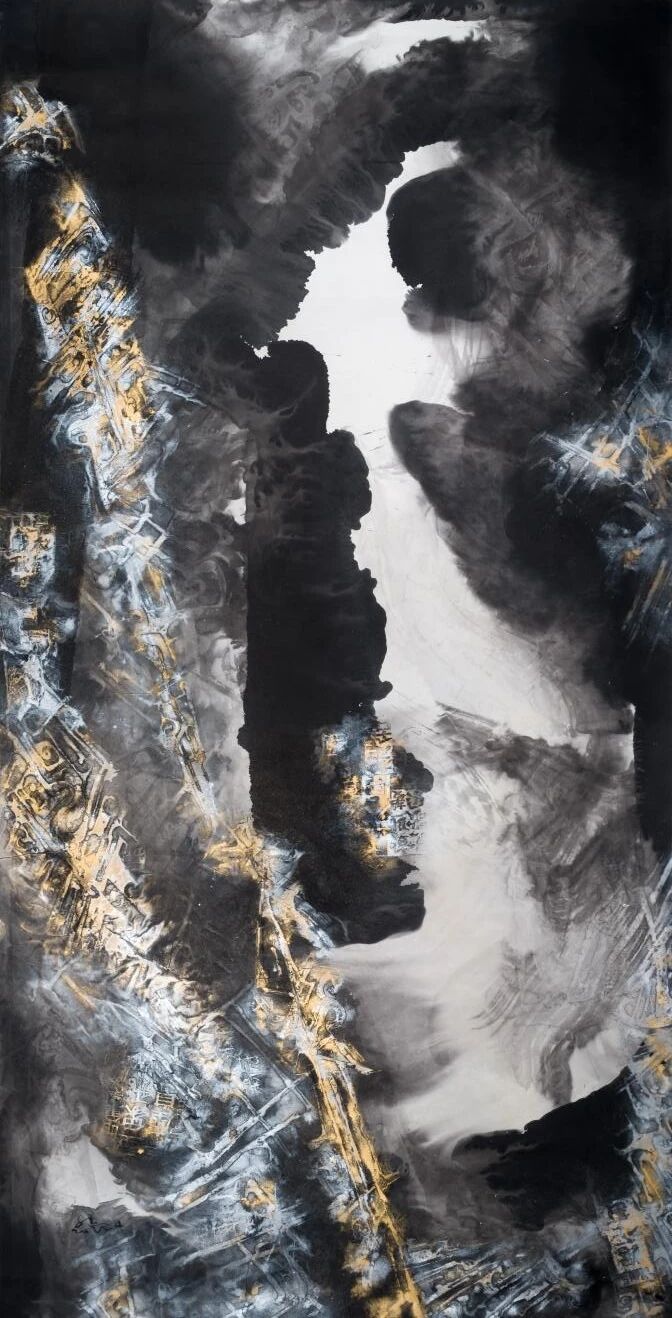
Mystery Veiled—No.41
Ink on Rice Paper
25×245 cm
2022
My ink art has always been connected to Chu art. I am truly fascinated by the flowing, swirling and interlocking lines found in the patterns of Chu-Han lacquerware and astrological charts.
This yearning for such mystery and transformation has been endowed with profound and intricate implications as my life experiences have unfolded and evolved, shaping the fragmented, clashing and floating vistas in my paintings.
The magnificent grandeur and profound majesty of Chu art are built upon an expansive spatial structure. This has made me acutely aware of the diminished spiritual depth and visual tension in much of contemporary Chinese painting—a shortcoming stemming from the lack of a robust spatial consciousness—thus igniting my great passion to reconstruct a grand spatial framework in my own practice.
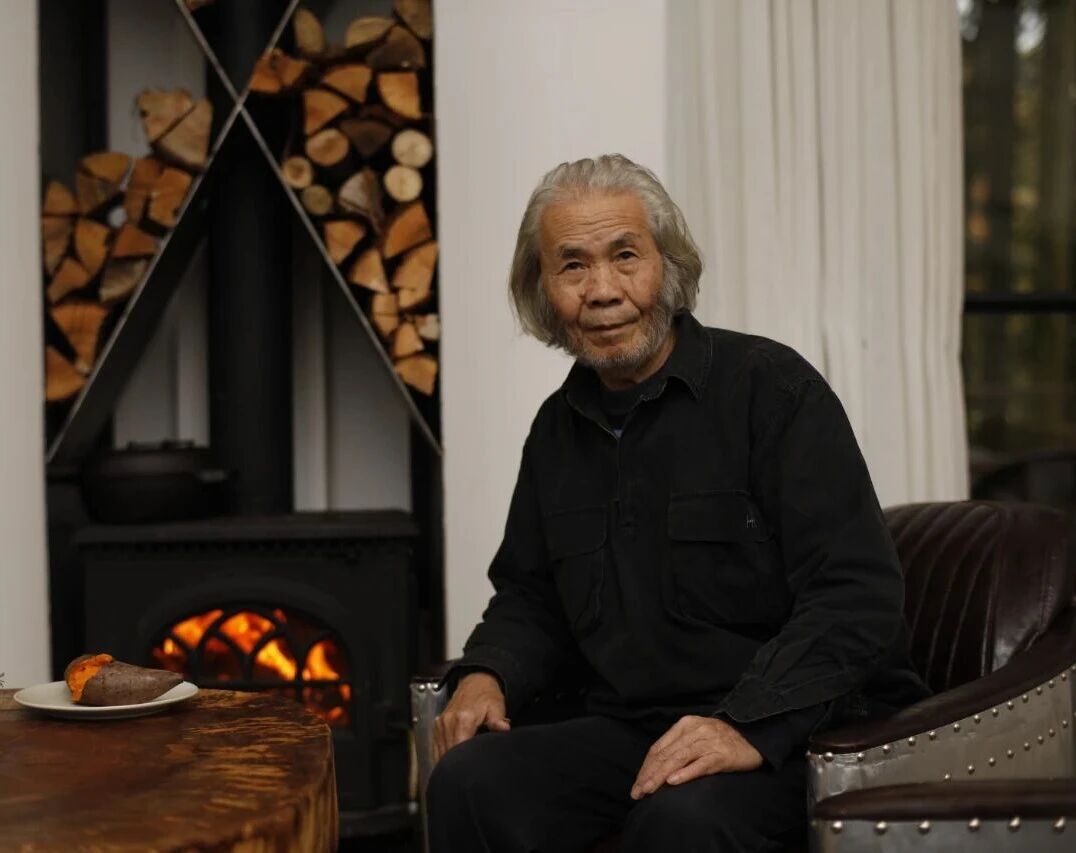
Shen Aiqi
was born in Xiaogan City, Hubei Province. In the late 1950s, he studied under Mr. Xu Song'an, a renowned Chinese painting artist in Hubei. For decades, he has diligently and assiduously delved into the Six Principles of Chinese Painting with unwavering dedication. His artistic output is truly voluminous. However, abiding faithfully by his teacher’s instructions, he rarely exhibited his works to the public. It was not until he reached his seventies that he held solo exhibitions in Wuhan, Hubei and other places, which caused a great sensation both within and outside the art circle.
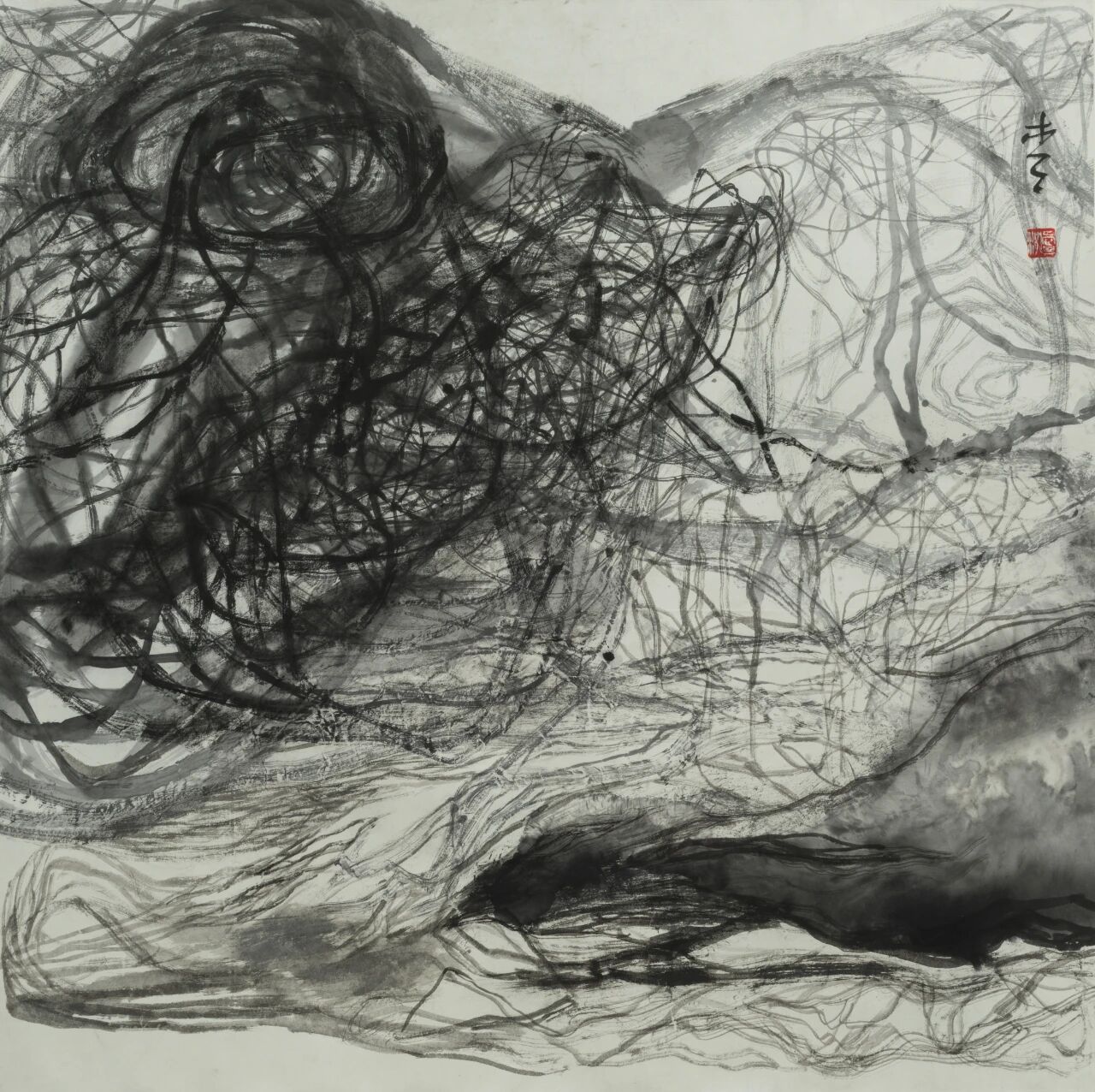
Places Unvisited
Ink on Paper
177.7×177.4cm
2013
His paintings are grandiose and magnificent, allowing viewers to perceive his unique life realm, life vision and distinctive life spirit. Such "grandeur" usually stems from the artist’s integration of himself with heaven, earth, mountains and rivers. When Shen Aiqi painted, he merged life with nature to create an overall expression. The most prominent feature of Shen Aiqi’s modern landscape painting art lies in the integration of art with his own life state.
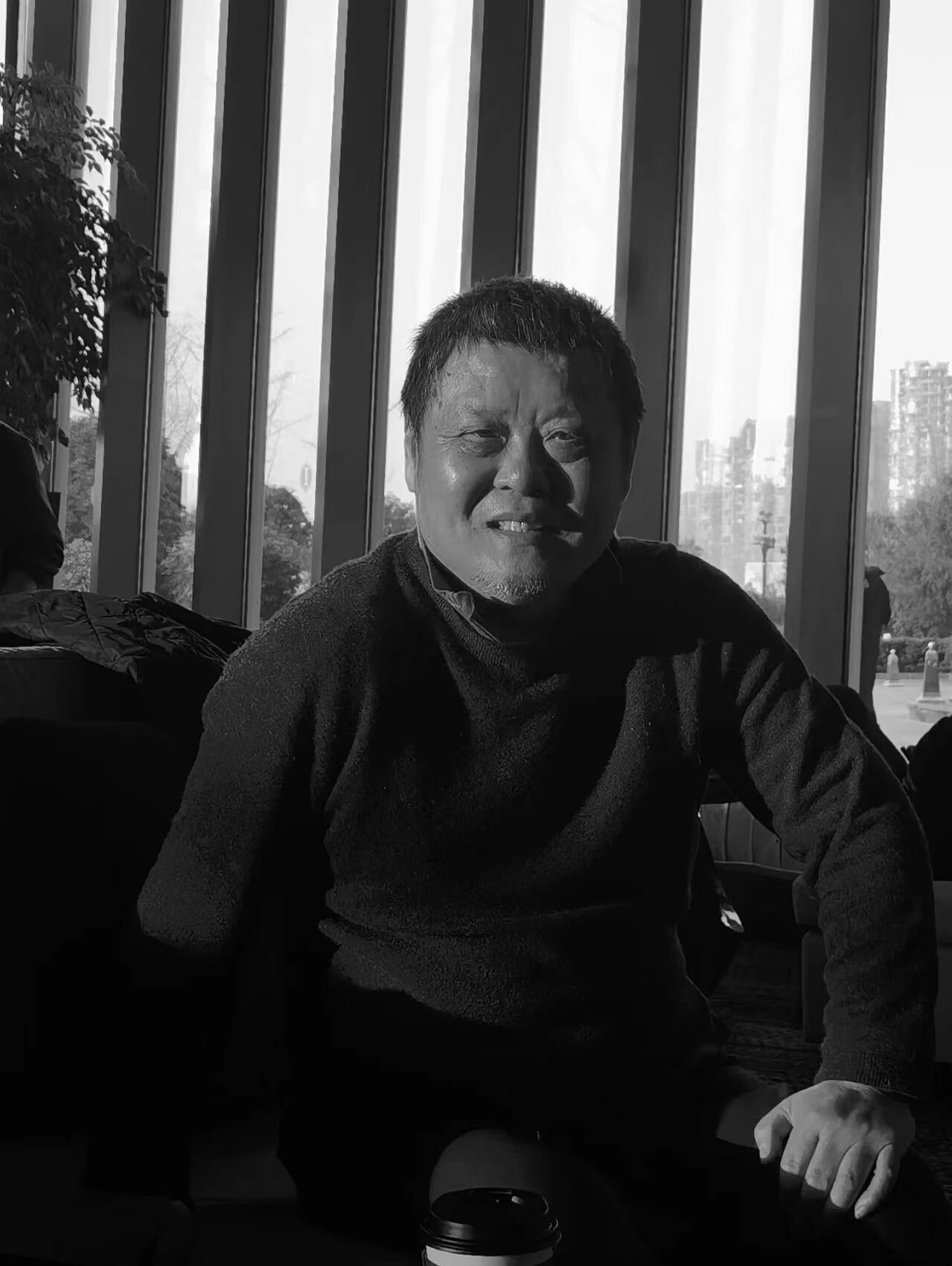
Shen Qin
Born in Nanjing, Jiangsu Province in 1958, he is a painter of the Jiangsu Provincial Academy of Chinese Painting and a First-Class National Artist.
Recent Solo Exhibitions:
2024–2025: Shen Qin: Soft and Quiet Melody, Meilun Art Museum, Changsha
2024: A Ladle of Water from the Qinhuai River, Asia Art Center, Beijing2023: Shen Qin · 2023, Art Documentation Center, Wuhan2022: Simplicity to the Extreme — Shen Qin Ink Painting Exhibition, Hong Kong
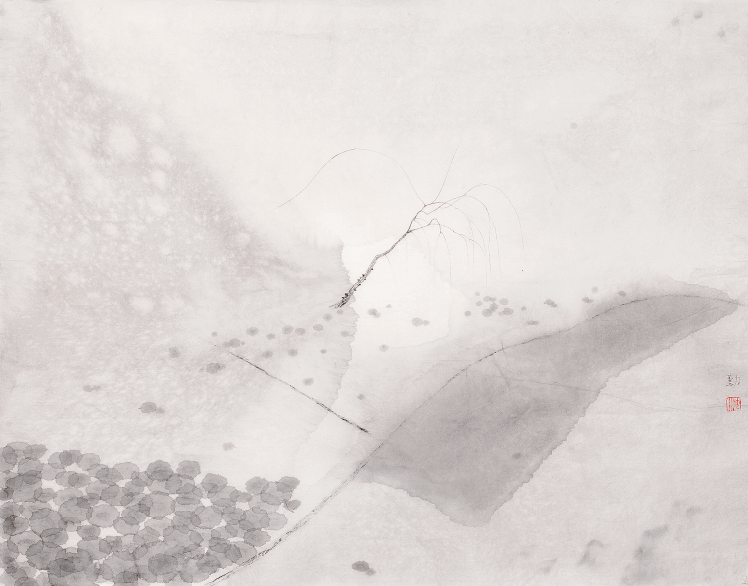
Field
Ink on Paper
54×69 cm
2015
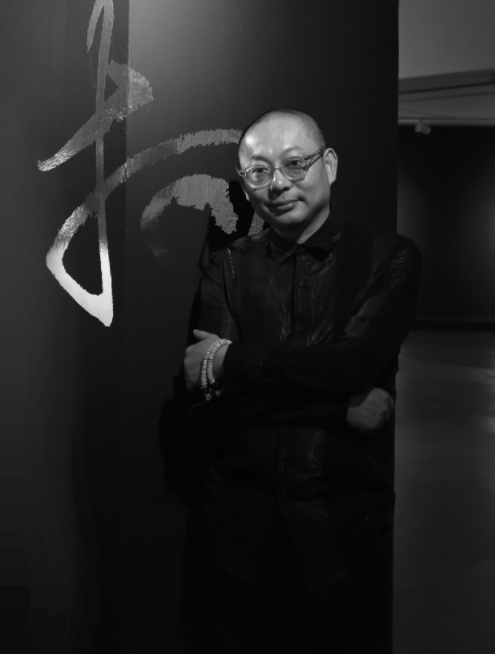
Sun Xiaofeng
Born in 1972. Artist, independent curator, writer and roving gastronome.
Solo Exhibitions:
2024: Sun Xiaofeng · Moss, Baizhuo Space (Xiamen, Fujian)
2023: Surplus of Production — Sun Xiaofeng Art Exhibition, Banri Art Museum (Shantou, Guangdong)
2022: Cicada in Cold — Sun Xiaofeng Art Exhibition, Shangrong Art Museum (Guangzhou, Guangdong)
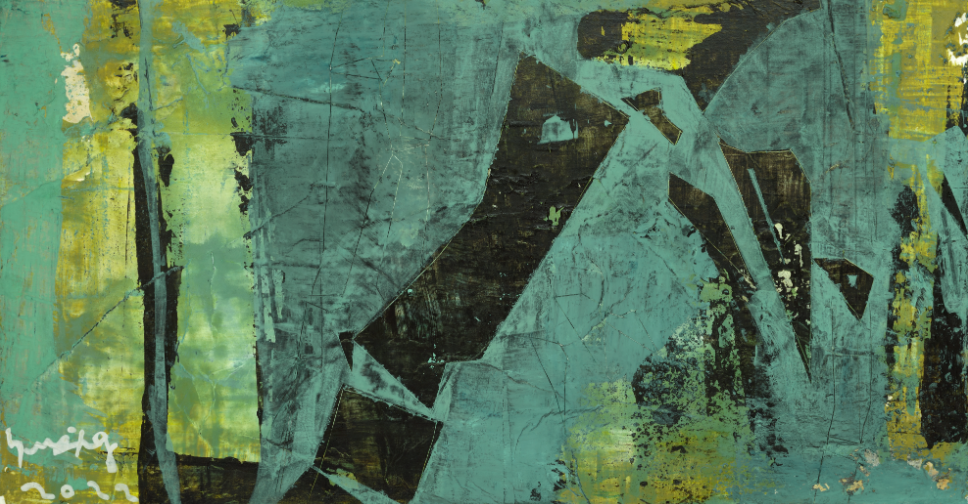
Huang No.1
Mixed Media on Paper
36×69 cm
2022
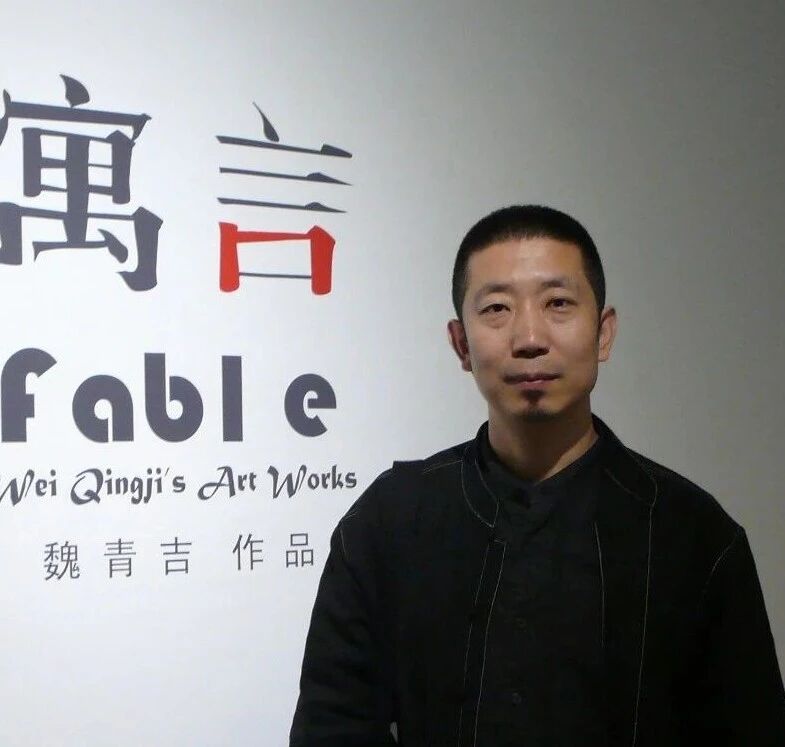
Wei Qingji
Born in Qingdao, Shandong Province in 1971.
Graduated from the Department of Oriental Art, Nankai University, majoring in Chinese Painting, with a Bachelor’s Degree in 1995.
Completed the postgraduate program at the Department of Mural Painting, Central Academy of Fine Arts in 2003.
Graduated from the School of Art and Design, Wuhan University of Technology, with a Master’s Degree in 2008.
Currently serves as an Associate Professor at Guangzhou Academy of Fine Arts, and works and lives in Guangzhou and Beijing.
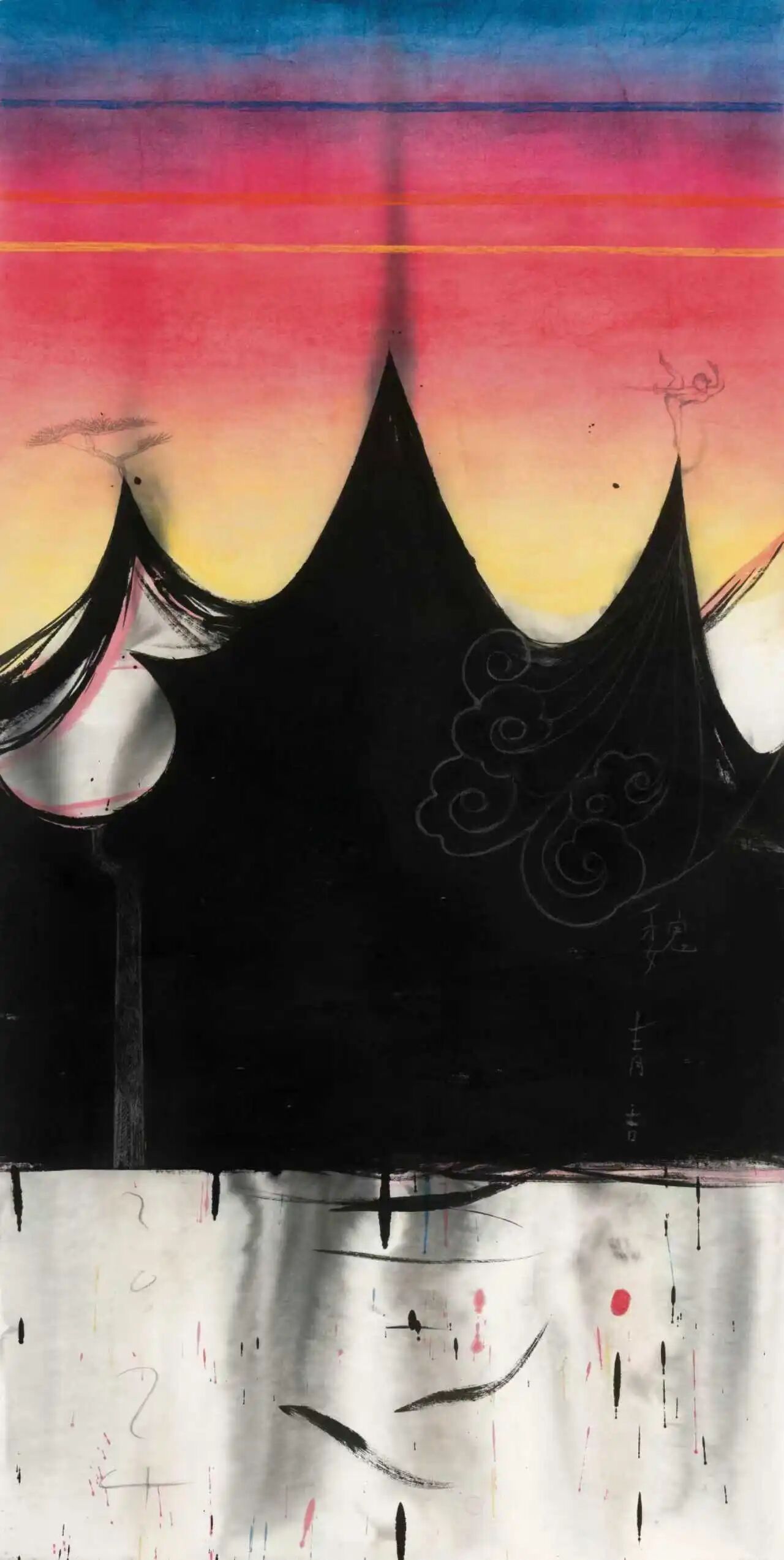
Dawn 2024
Xuan Paper and Ink
136×70 cm
2024
I intend to present the traces of my thinking and incorporate all the visual information encountered in daily life into my works. In fact, behind the seemingly simple selection of images lies my attention to and reflection on daily life. Familiar symbols are transplanted into alternative contexts, thus losing their original practical functions. The defamiliarized scenarios allow us to gain another perspective for examining things. What appears to be random combinations and applications is actually a process of my deliberation, embodying my attitudes and positions.
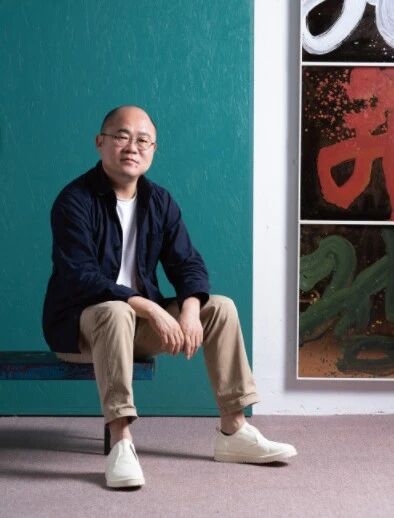
Xu Yun
Born in Wuxi, Jiangsu Province in 1975, he studied under the tutelage of renowned artists Wu Juechi and Lu Heng, grounding his practice in traditional Chinese ink painting and calligraphy. He later earned his Master’s degree from the School of Arts, Nanjing Normal University. In recent years, Xu Yun has directly confronted the conceptual contradictions and conflicts between tradition and contemporaneity, resolving to break down the barriers between these two realms. His practice centers on easel-based works, while he employs a diverse range of media and techniques to convey his artistic ethos.
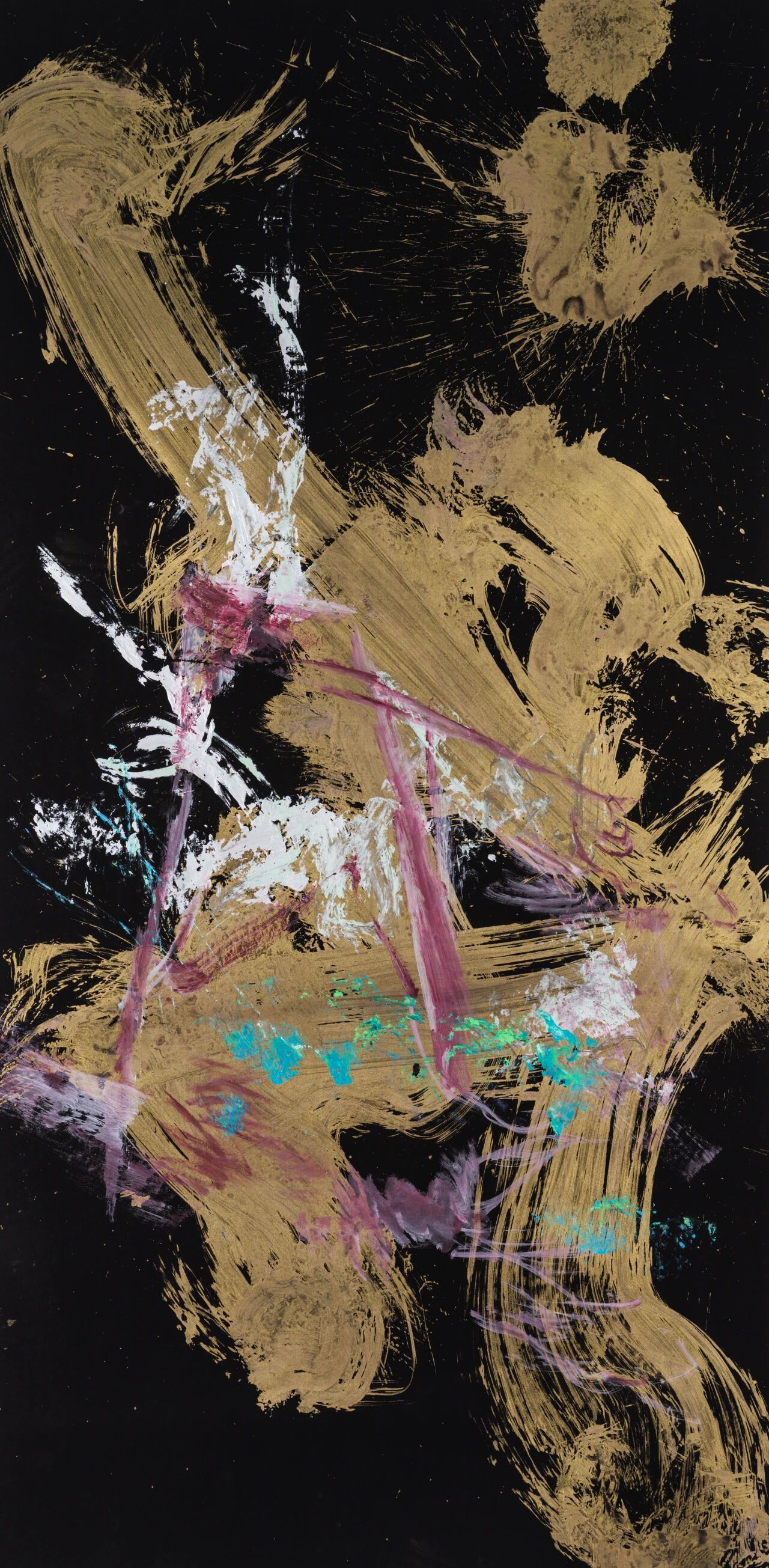
Black Gold · The Wind of That Night
Ink and Acrylic on Paper
240×120 cm
2025
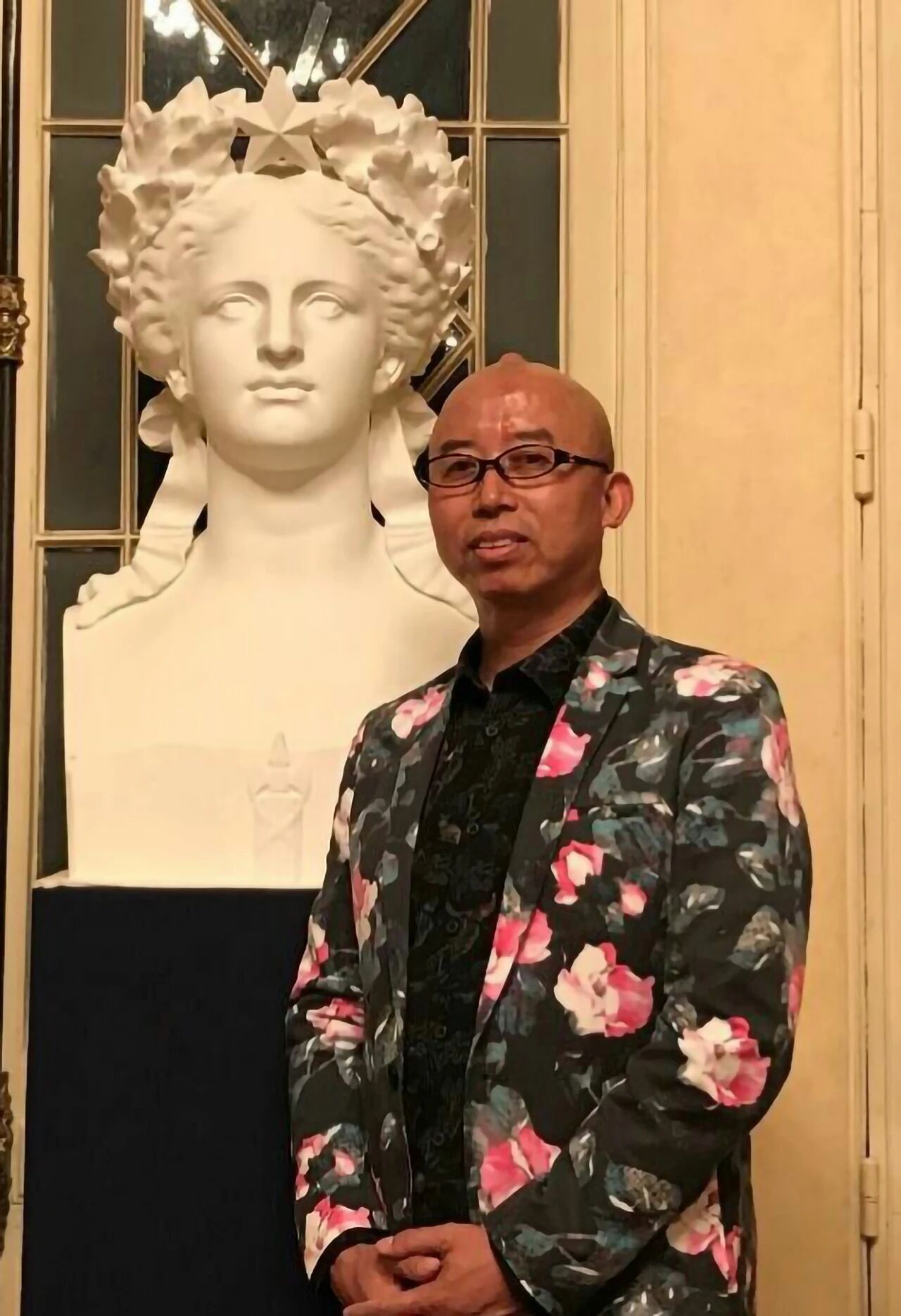
Yang Ermin
Originally from Quyang County, Hebei Province, China, Yang Ermin is an artist, poet, honorary knight and Doctor of Letters. He went to Japan in the 1990s and has lived and created works in many parts of the world over the past decades. Currently, he holds the following positions: Member of the Board of Trustees of Nanjing University of the Arts, Research Fellow of the China National Academy of Arts, Chair Professor of Cross-Cultural Studies at Complutense University of Madrid, Spain, Freelance Research Fellow of the Institute of Contemporary Anthropology at the French National Museum of Natural History, Consultant to the Hebei Chinese Painting Research Association, Director of the New Chinese Painting Research Center at Hebei University, and Director of the Organizing Committee of the Beijing Literature and Art Network Poetry Award.
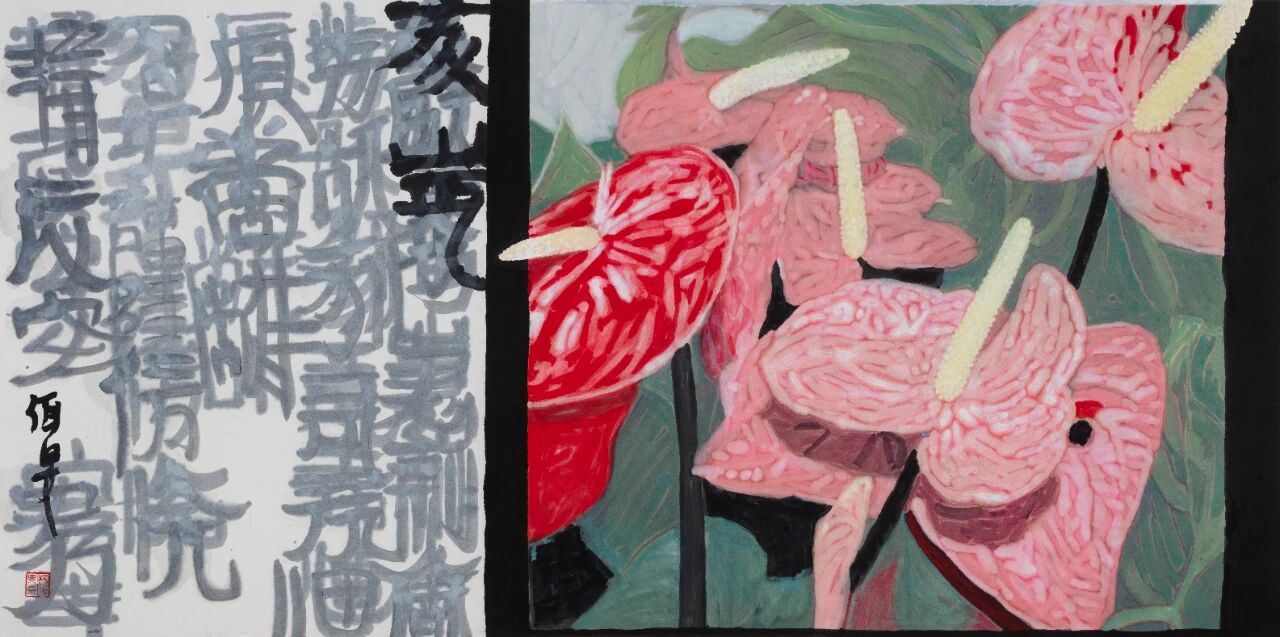
May Fourth No.3
Ink and Color on Paper
68×136 cm
2020
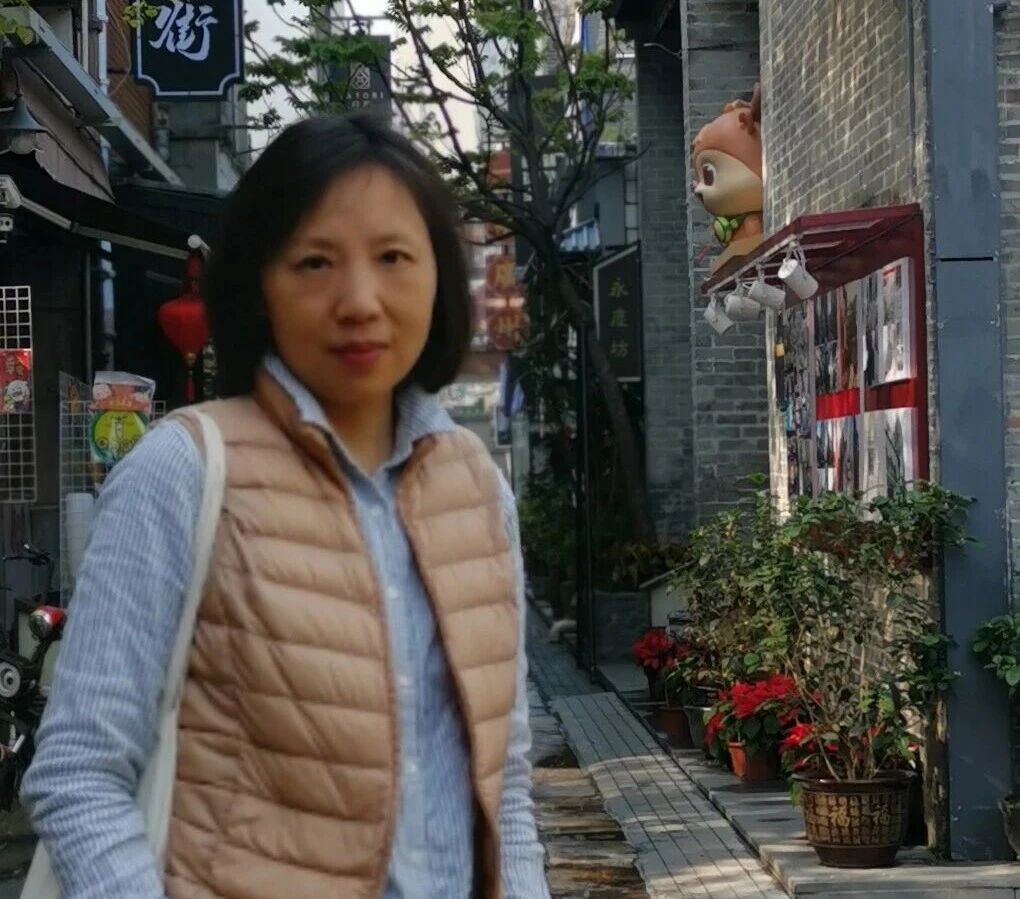
Yang Yanlai
Professional Artist
Graduated from the Central Academy of Fine Arts in 1993. Lives and works in Guangzhou.
Recent Solo Exhibitions:
2024: Mountains Beyond Mountains, Changsha Art Museum (Changsha)
2021: Water Mirror · Being and Nothingness, Shangrong Art Museum (Guangzhou)
2015: Traces of Water and Ink, Changyi Space (Guangzhou)
Flower in the Mirror · Fate No.1
Ink and Color on Paper
72×168 cm
2025
The "gaze" in my creation is also an expansion and exploration of traditional perspectives. I incorporate a sense of "discomfort" into my paintings, bring both mundane daily objects and explosive news events into my creative vision and thematic elements, strive to elevate mere "seeing" to profound "insight", and make the meaning of my works self-evident.
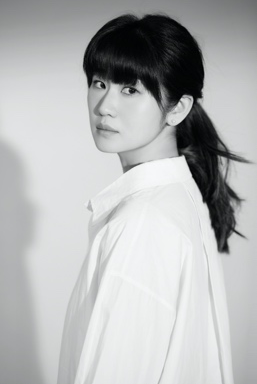
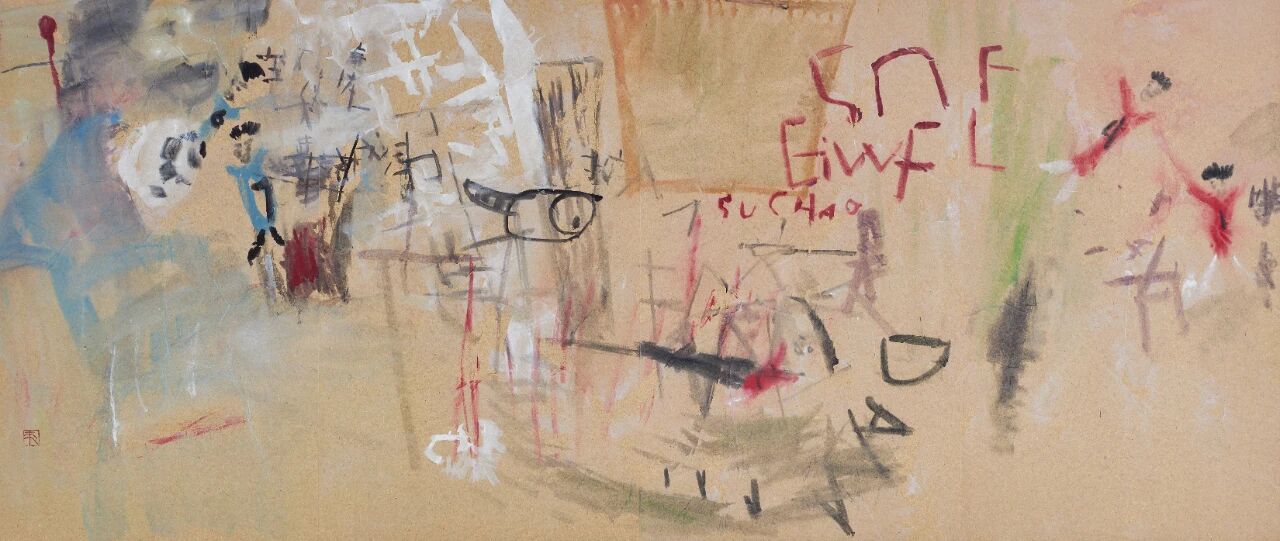
Ye Fan
Born in 1986, he graduated with a Master’s degree from the Department of Chinese Painting, Guangzhou Academy of Fine Arts in 2014, and obtained his PhD from the Department of Fine Arts, National Taiwan Normal University in 2021. He was a visiting scholar at Loughborough University, UK, and currently teaches at Hubei Academy of Fine Arts.
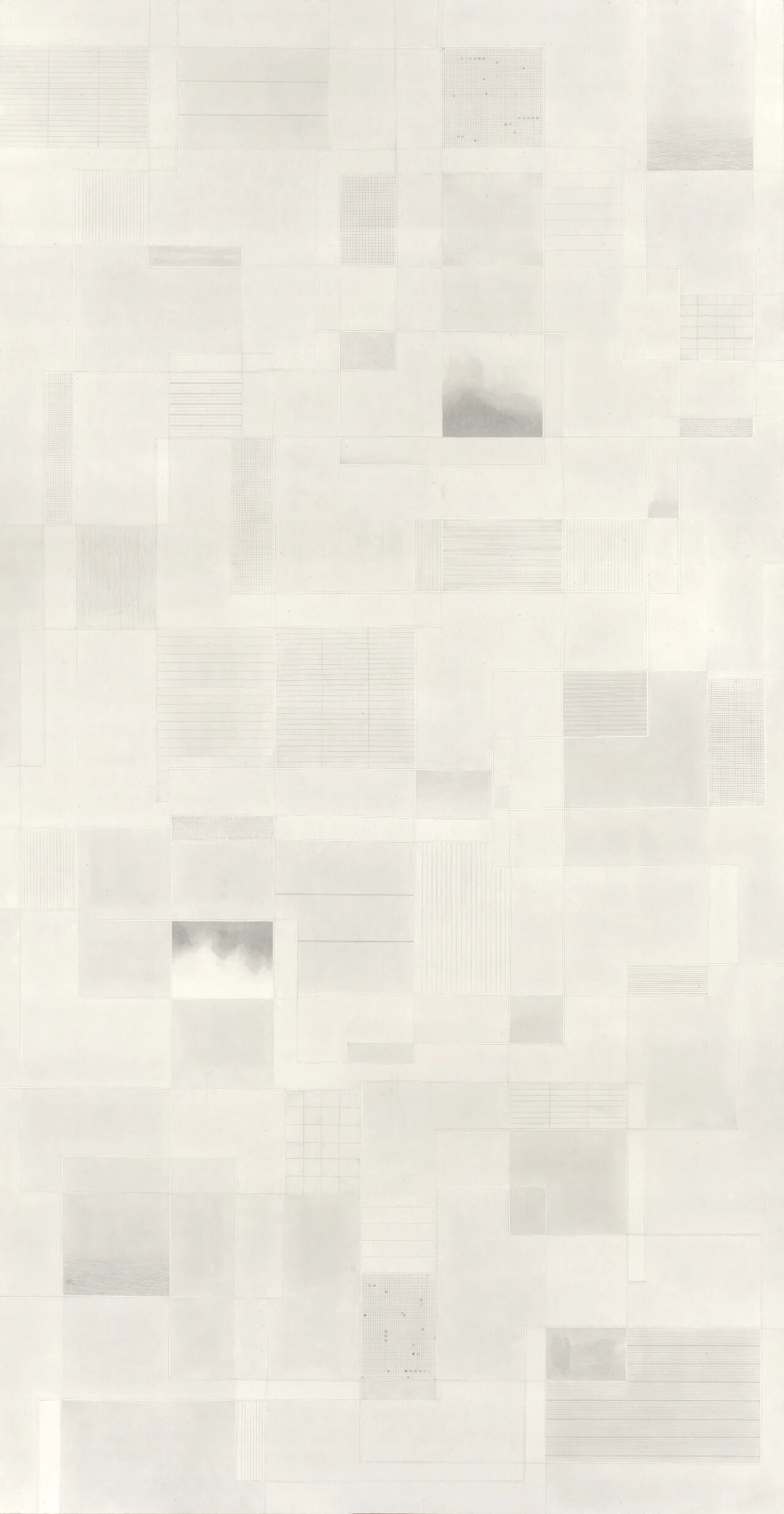
Labyrinth of Words
Ink on Paper
90×170 cm
2021
The decisions made during the creation of a work evolve with time, light, and the artist’s present mood. I create impressions and share emotions through the traces left behind, which embrace a great deal of uncertainty, contingency, and ambiguity. More often than not, I hope to respond to the materials in a spontaneous manner—I observe them, listen to them, and follow their lead.
The collaboration with materials throughout the creative process is something I attach great importance to. These materials include not only the physical substances used but also the themes of creation and those initial motivations.
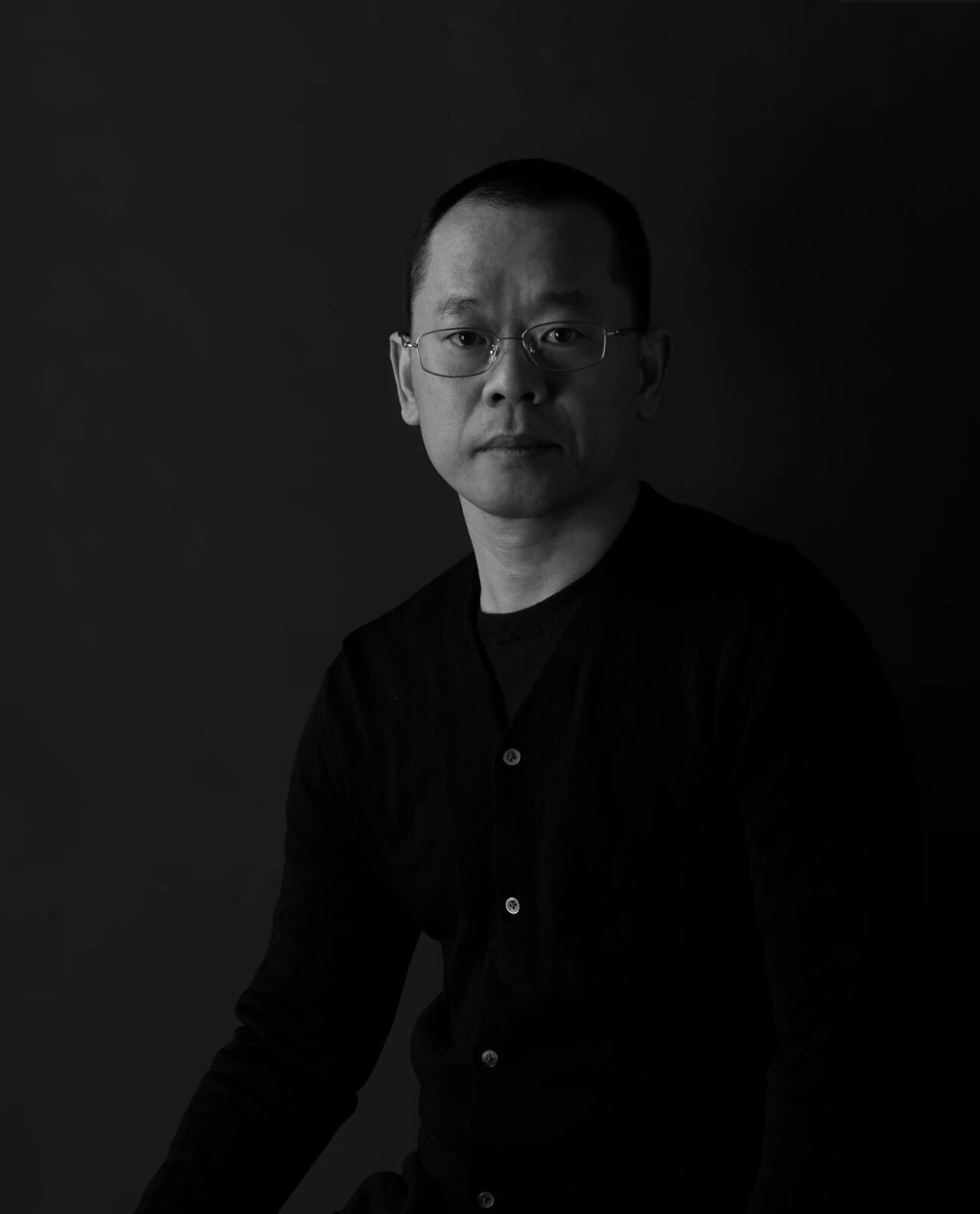
You Dongkun
Born in Guangdong in 1976, You Dongkun is a contemporary artist. He graduated from the China Academy of Art, where he currently serves as a lecturer. His artistic practice spans a diverse range of media including painting, mixed media, installations, sculpture, multimedia video, and performance art. His works are part of the collections of domestic and international art institutions, museums, and prominent private collectors. He currently lives and works in Hangzhou.
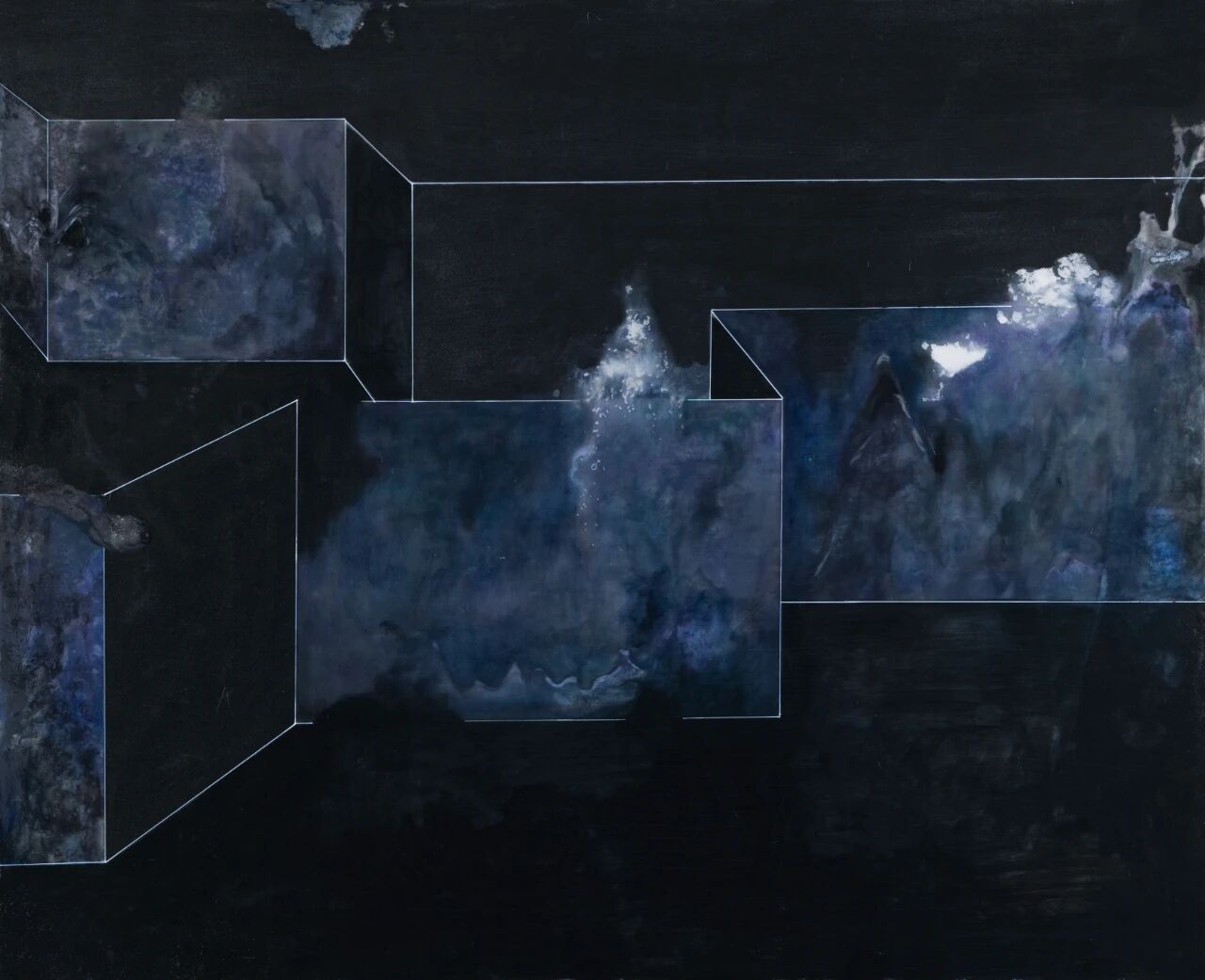
Traces of Clouds • Vast Emptiness No.3
Mixed Media on Canvas
(100×80 cm) 2025
Zhang Quan
Born in Wuhan, Hubei Province in 1967, he graduated from the Department of Chinese Painting, Hubei Academy of Fine Arts in 1989. He currently lives and works in Wuhan and Beijing.
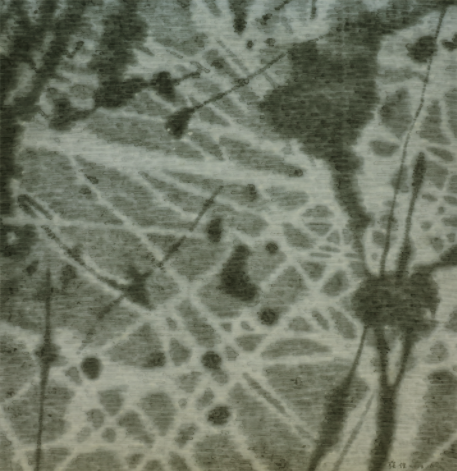
Untitled-1 (136×144 cm) 2019
The ink works of Zhang Quan feature a highly self-identifiable artistic language paradigm, rich in semantic connotations and broad in signification.
This distinctive trait of his artistic language stems from two key aspects: on the one hand, he never neglects the rigorous visual requirements of easel painting for the sake of conceptual expression; on the other hand, he refuses to abandon his elitist stance to cater to the superficial so-called "public spirit"—a prevalent trend within the contemporary art circle that claims art must intervene in society.
As a contemporary artist, in his pursuit of new possibilities for ink art, he has devoted himself with full enthusiasm to the experimentation, construction and refinement of new ink language forms.
It is precisely because of this that he has achieved enviable accomplishments in the construction and expansion of new ink art language.
Zheng Qiang
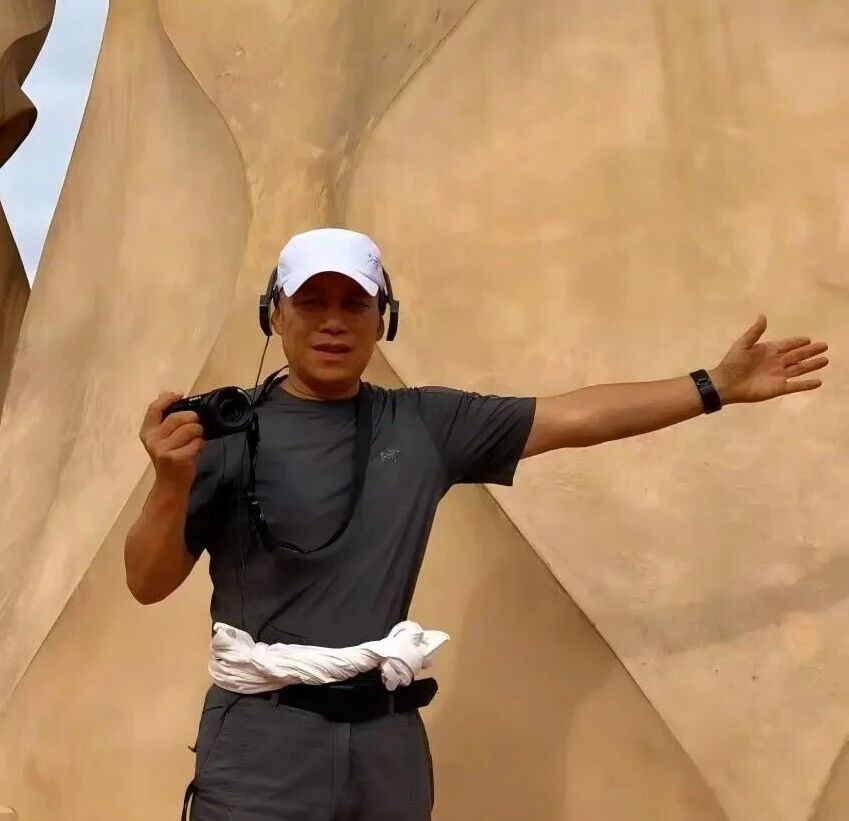
Graduated from Hubei Academy of Fine Arts in 1981. In 1985, he was transferred to the Chinese Painting Creation and Research Office of Hubei Academy of Fine Arts, where he later served as Director. He moved to Shenzhen Academy of Fine Arts in 2003.
Currently, he holds the positions of Professional Artist at Shenzhen Academy of Fine Arts, Member of the China Artists Association, First-Class National Artist, and Vice President of Shenzhen Chinese Painting Society.
He has long been committed to the research and creation of new ink painting. He has curated the Zheng Qiang Contemporary Ink Art Exhibition, starred in the TV special Art Era — Zheng Qiang, and published the album Contemporary Ink Artist — Zheng Qiang.
Zheng Qiang
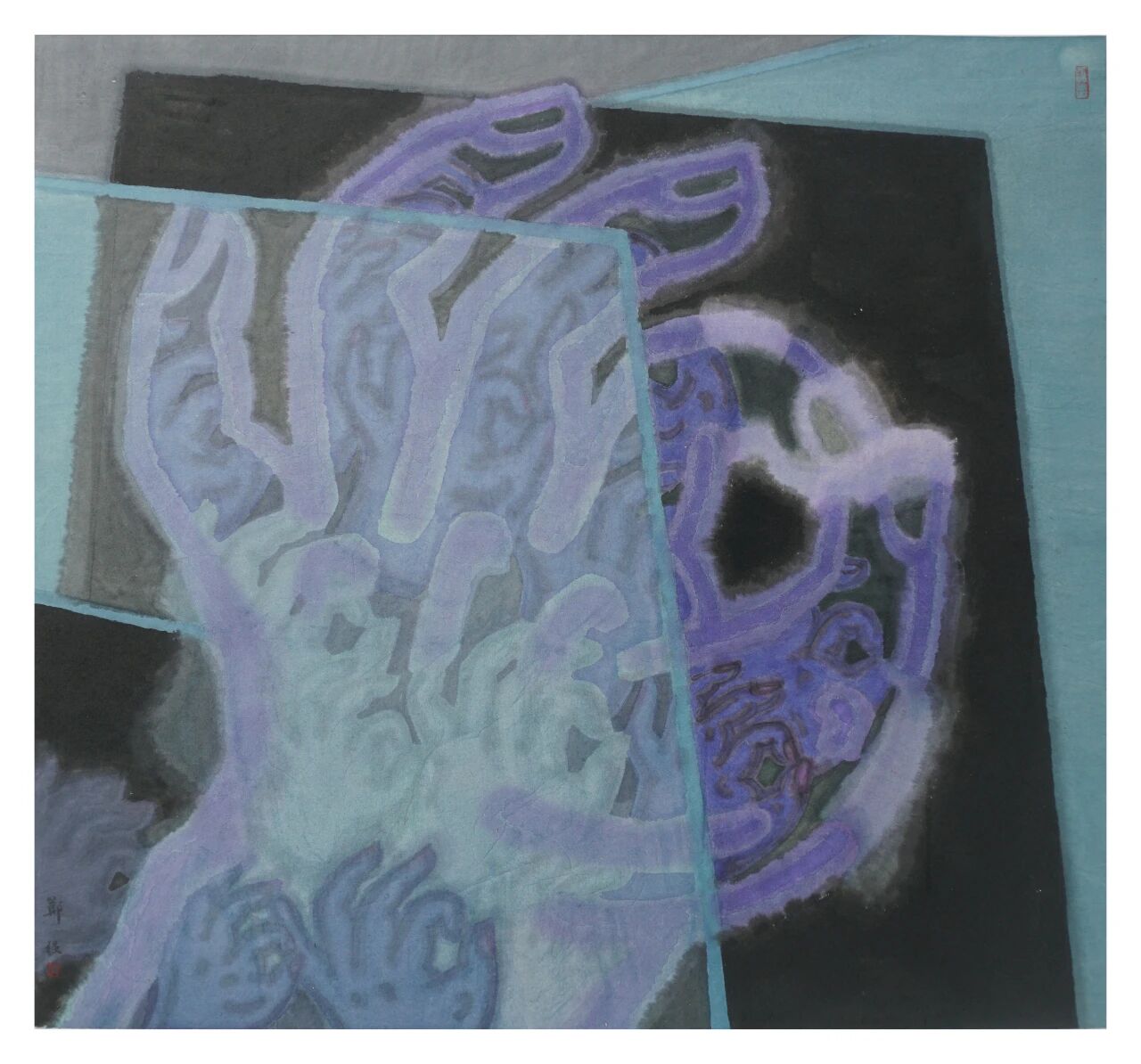
Window Display – OK
Ink and Color on Paper
97×90 cm, 2025
Zhou Yong
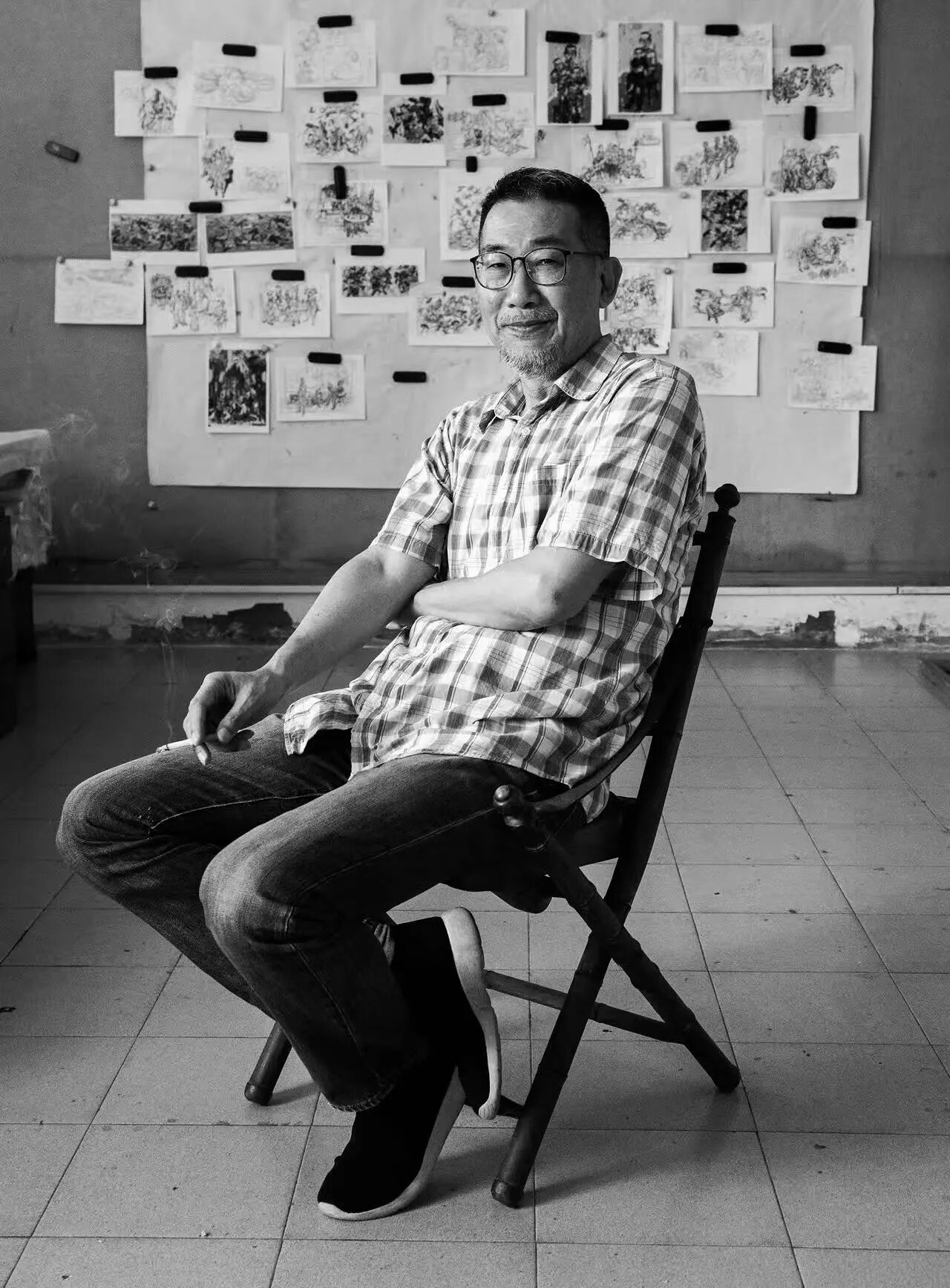
Born in Wuhan, Hubei Province in 1962, he was admitted to the Department of Chinese Painting at Guangzhou Academy of Fine Arts in 1980. He graduated and stayed on to teach at the academy in 1984. Currently, he serves as a professor at Guangzhou Academy of Fine Arts and lives and works in Guangzhou.
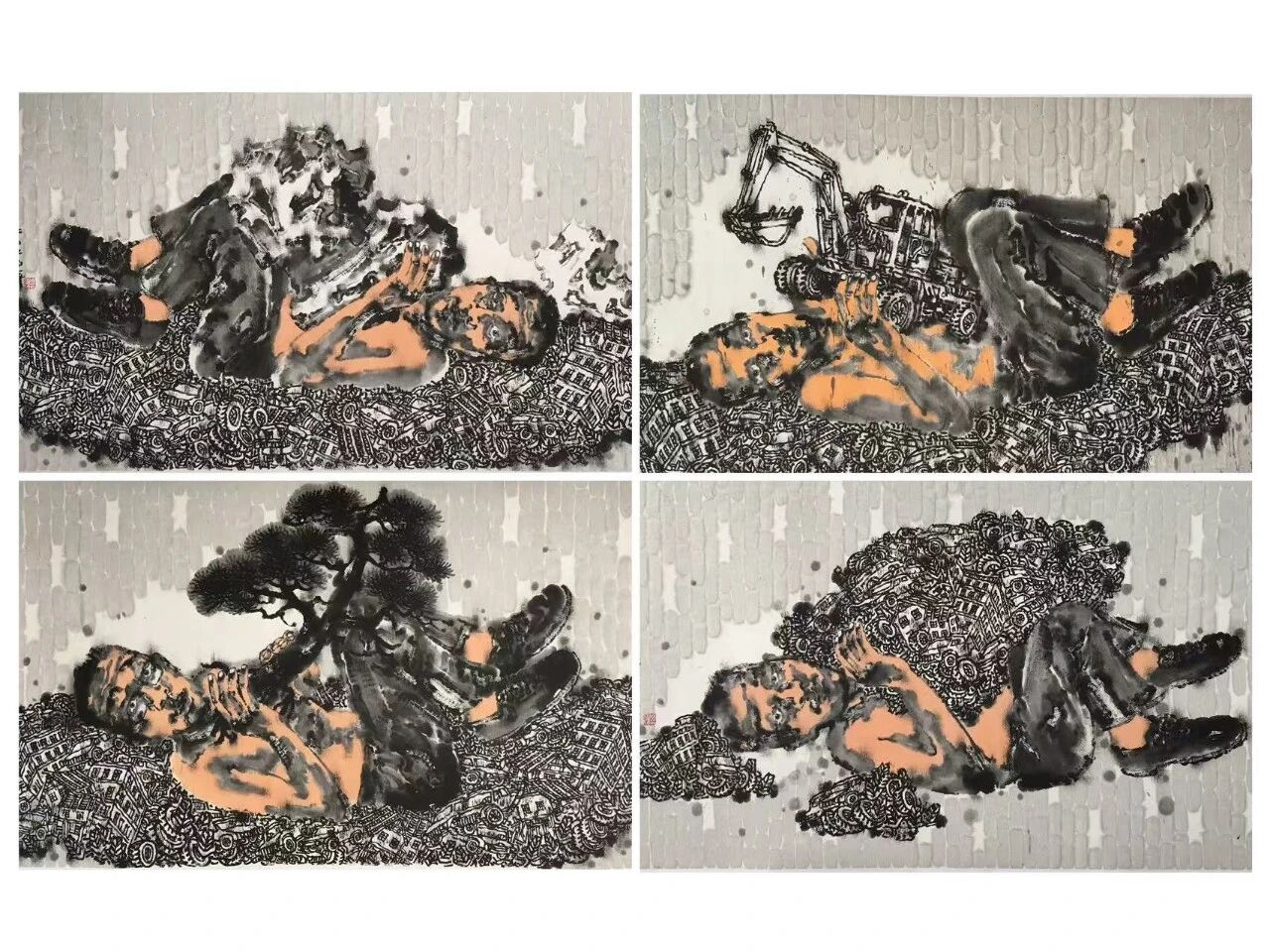
Poets (Series)
Ink on Paper
180×98 cm × 4 Panels, 2020
· Exhibition Venue·